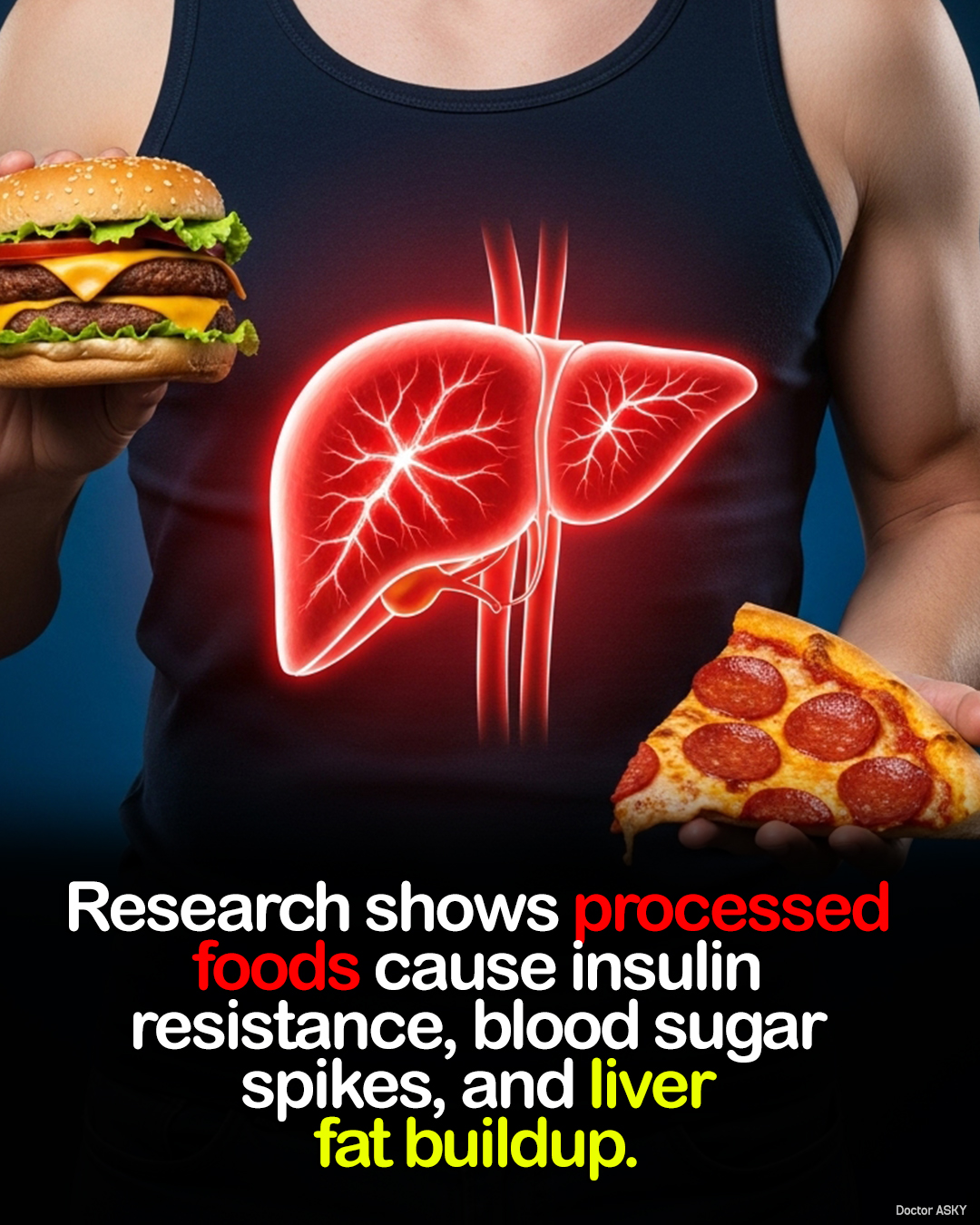
The Silent Epidemic: How Processed Food Fuels Fatty Liver Disease and How to Reverse It
Non-alcoholic fatty liver disease (NAFLD) has emerged as a silent epidemic, affecting an estimated one-quarter of the global population. Often progressing without obvious symptoms in its early stages, NAFLD can lead to serious complications including inflammation (NASH), fibrosis, cirrhosis, and even liver cancer.
While various factors contribute to its development, a growing body of scientific evidence points to the pervasive role of highly processed food in our modern diets as a primary driver. Understanding the intricate dance between these refined foods, blood sugar, and insulin levels is not just academic; it provides the fundamental blueprint for preventing and, crucially, reversing this escalating health crisis.
The Peril of Processed Food
The term “processed food” encompasses a vast array of common dietary staples that have undergone significant industrial refinement. Think white bread, crackers, pastries, sugary breakfast cereals, white rice, pre-packaged snacks, and virtually all sugar-sweetened beverages. What these seemingly innocuous foods share is a stark absence of natural fiber and nutrients, leaving behind a concentrated source of rapidly digestible starches, sugars, unhealthy fats, and often artificial additives.
Upon consumption, these refined ingredients break down almost instantaneously in the digestive tract. Unlike their whole-food counterparts, which present a complex structure that requires extensive enzymatic action, processed food unleashes a sudden torrent of glucose and other readily absorbed nutrients into the bloodstream. This rapid absorption triggers an immediate and substantial spike in blood sugar levels, akin to an alarm bell ringing throughout the body.
The Insulin Response: A Double-Edged Sword
This dramatic rise in blood sugar signals the pancreas, a vital organ nestled behind the stomach, to release insulin. Insulin, often hailed as the “storage hormone,” is a metabolic maestro whose primary role is to shuttle glucose from the bloodstream into the body’s cells – muscle cells for energy, liver cells for glycogen storage, and fat cells for long-term energy reserves. In a healthy individual consuming a balanced diet, this insulin response is swift and efficient, ensuring blood sugar levels return to normal. However, the modern dietary pattern, characterized by frequent and substantial intakes of processed food, disrupts this delicate equilibrium. These repeated, high-magnitude insulin surges, occurring multiple times a day, begin to desensitize the body’s cells to insulin’s effects. This critical metabolic dysfunction is known as insulin resistance.
Insulin resistance is a state where cells become less responsive to the normal signals of insulin. Imagine a constantly knocking hand at a door; eventually, the residents simply stop answering. At a cellular level, this means the insulin receptors on cell surfaces become less effective, failing to efficiently open the “gates” for glucose entry. To compensate for this cellular deafness and maintain blood sugar within a healthy range, the pancreas is forced to work overtime, producing even larger quantities of insulin.
This creates a vicious cycle: high processed food intake leads to high insulin, which in turn entrenches insulin resistance, demanding even more insulin. The persistent presence of elevated insulin levels, known as hyperinsulinemia, has profound and detrimental effects on the liver. High insulin directly promotes de novo lipogenesis (DNL) – the process by which the liver converts excess glucose into fat.
Simultaneously, it inhibits the breakdown of existing liver fat (lipolysis), effectively creating a perfect storm for fat accumulation within liver cells. Furthermore, any surplus sugar that cannot enter insulin-resistant muscle and fat cells is preferentially shunted to the liver, where it is inevitably converted into triglycerides, compounding the problem of fat building up in the liver.
Fatty Liver Disease: The Accumulation
This accumulating fat is the hallmark of Non-Alcoholic Fatty Liver Disease. Initially, this condition, termed simple steatosis, might be benign. However, the continued onslaught of dietary insults and persistent insulin resistance can lead to inflammation and oxidative stress within the liver, progressing to Non-Alcoholic Steatohepatitis (NASH). NASH is a more severe form of NAFLD characterized by inflammation and liver cell damage,1 which can lead to fibrosis (scarring), cirrhosis (irreversible scarring that impairs liver function), and significantly increases the risk of liver failure and hepatocellular carcinoma (liver cancer).
Scientific Evidence: Studies Linking Processed Food, Insulin Resistance, and NAFLD
Numerous scientific investigations have solidified the link between high processed food consumption, insulin resistance, and NAFLD. Observational studies across diverse populations consistently demonstrate a higher prevalence and severity of NAFLD in individuals with diets rich in refined sugars and starches. For instance, research published in journals like Hepatology and Gastroenterology has highlighted the strong correlation between sugary beverage intake, which falls under processed food, and increased liver fat.
Intervention studies, where participants are placed on controlled diets, provide even more compelling evidence. Trials comparing diets high in processed foods with whole-food-based diets have often shown superior reductions in liver fat content and improvements in insulin sensitivity on the latter regimens. Studies focusing on fructose, a particularly problematic sugar commonly found in processed foods and high-fructose corn syrup, have elucidated its unique metabolic pathway, demonstrating its direct conversion to liver fat, contributing significantly to NAFLD pathogenesis independent of calorie intake. Meta-analyses, which pool data from multiple studies, consistently confirm the strong association between diets high in processed foods and the development and progression of NAFLD.
The Glycemic Index: A Guiding Principle
The glycemic index (GI) serves as a valuable tool for understanding how different foods impact blood sugar. It ranks foods on a scale from 0 to 100 based on how quickly they raise blood glucose levels after consumption. Foods with a high2 GI (70 or above), like white bread (around 75), cornflakes (around 81), and many processed snacks, cause rapid blood sugar spikes. In contrast, foods with a low GI (55 or less), such as whole grain bread (around 55), legumes (20-40), and most non-starchy vegetables (below 15), lead to a more gradual and sustained rise in blood sugar. The critical difference lies in the fiber content. Fiber, indigestible by human enzymes, creates a physical barrier that slows down the breakdown of food and the absorption of glucose. This blunts the post-meal blood sugar surge, reducing the demand for insulin and mitigating the risk of insulin resistance.
Curing Insulin Resistance: A Comprehensive Approach
The good news is that the understanding of this mechanism provides a clear pathway for reversal. Curing insulin resistance, and consequently improving liver health, is a multi-faceted endeavor rooted primarily in dietary and lifestyle modifications.
Dietary Transformation
The cornerstone of reversing insulin resistance is a drastic reduction in processed food. This means actively avoiding white bread, pastries, cakes, cookies, sugary drinks, candies, and refined pasta. In their place, prioritize:
- Whole Grains: True whole grains like steel-cut oats, quinoa, brown rice, barley, and 100% whole wheat products. These provide fiber, promoting slower digestion and stable blood sugar.
- Legumes: Lentils, beans, and chickpeas are excellent sources of complex carbohydrates and fiber, offering sustained energy without the insulin spikes.
- Non-Starchy Vegetables: An abundance of leafy greens, broccoli, cauliflower, bell peppers, and other colorful vegetables should form the bulk of your meals. They are low in calories, rich in fiber, and packed with essential nutrients.
- Healthy Fats: Incorporate monounsaturated fats from avocados and olive oil, and polyunsaturated fats from nuts, seeds, and fatty fish like salmon. These fats contribute to satiety, support cellular health, and do not trigger an insulin response.
- Lean Proteins: Include lean meats, poultry, fish, eggs, and plant-based protein sources like tofu and tempeh. Protein helps stabilize blood sugar, promotes satiety, and is crucial for muscle maintenance.
- Eliminate Sugary Beverages: Soft drinks, fruit juices (even 100% juice due to concentrated sugar without fiber), and energy drinks are major culprits in driving insulin resistance and liver fat accumulation.
Regular Physical Activity
Exercise is a powerful tool for improving insulin sensitivity.
- Aerobic Exercise: Activities like brisk walking, jogging, cycling, or swimming increase glucose uptake by muscles, effectively lowering blood sugar and reducing the need for insulin.
- Strength Training: Building muscle mass is particularly beneficial, as muscles are major consumers of glucose. The more muscle you have, the more efficiently your body can manage blood sugar. Aim for a combination of both types of exercise most days of the week.
Weight Management
Losing even a modest amount of weight (5-10% of body weight) can dramatically improve insulin sensitivity and reduce liver fat. This is because excess adipose tissue, especially visceral fat around organs, releases inflammatory molecules that worsen insulin resistance.
Prioritize Quality Sleep
Chronic sleep deprivation significantly impacts hormone regulation, including cortisol and growth hormone, both of which can negatively affect insulin sensitivity. Aim for 7-9 hours of quality, uninterrupted sleep per night. Establishing a consistent sleep schedule and creating a conducive sleep environment can be transformative.
Stress Management
Chronic stress elevates cortisol levels, which can lead to increased blood sugar and contribute to insulin resistance. Incorporate stress-reducing practices into your daily routine, such as mindfulness meditation, yoga, deep breathing exercises, or spending time in nature.3
Nurture Gut Health
Emerging research highlights the profound connection between the gut microbiome and metabolic health. A diverse and healthy gut flora can influence nutrient absorption, inflammation, and insulin sensitivity. Support gut health by consuming fermented foods and a wide variety of fiber-rich plant foods that act as prebiotics, feeding beneficial gut bacteria.
The Gradual Path to Liver Health
It’s important to remember that reversing insulin resistance and fatty liver disease is not an overnight fix but a journey of sustained commitment. You don’t have to overhaul your entire diet in a single day. Gradual, sustainable swaps – replacing white bread with whole grain alternatives, opting for steel-cut oats instead of sugary pastries, or choosing water over soda – can steadily contribute to significant improvements in liver health over time. Monitoring progress through regular blood tests for liver enzymes, blood sugar, and insulin levels, alongside discussions with healthcare professionals, can provide encouragement and guide further adjustments.
Conclusion
In conclusion, the pervasive consumption of processed food in modern diets plays a central and detrimental role in the development of non-alcoholic fatty liver disease by relentlessly triggering insulin resistance. Understanding this intricate metabolic pathway empowers individuals to take proactive steps. By consciously shifting towards a diet rich in whole, unprocessed foods, engaging in regular physical activity, prioritizing sleep, and managing stress, we can effectively reverse insulin resistance, reduce liver fat, and reclaim a path toward optimal health, mitigating the silent threat of NAFLD.
