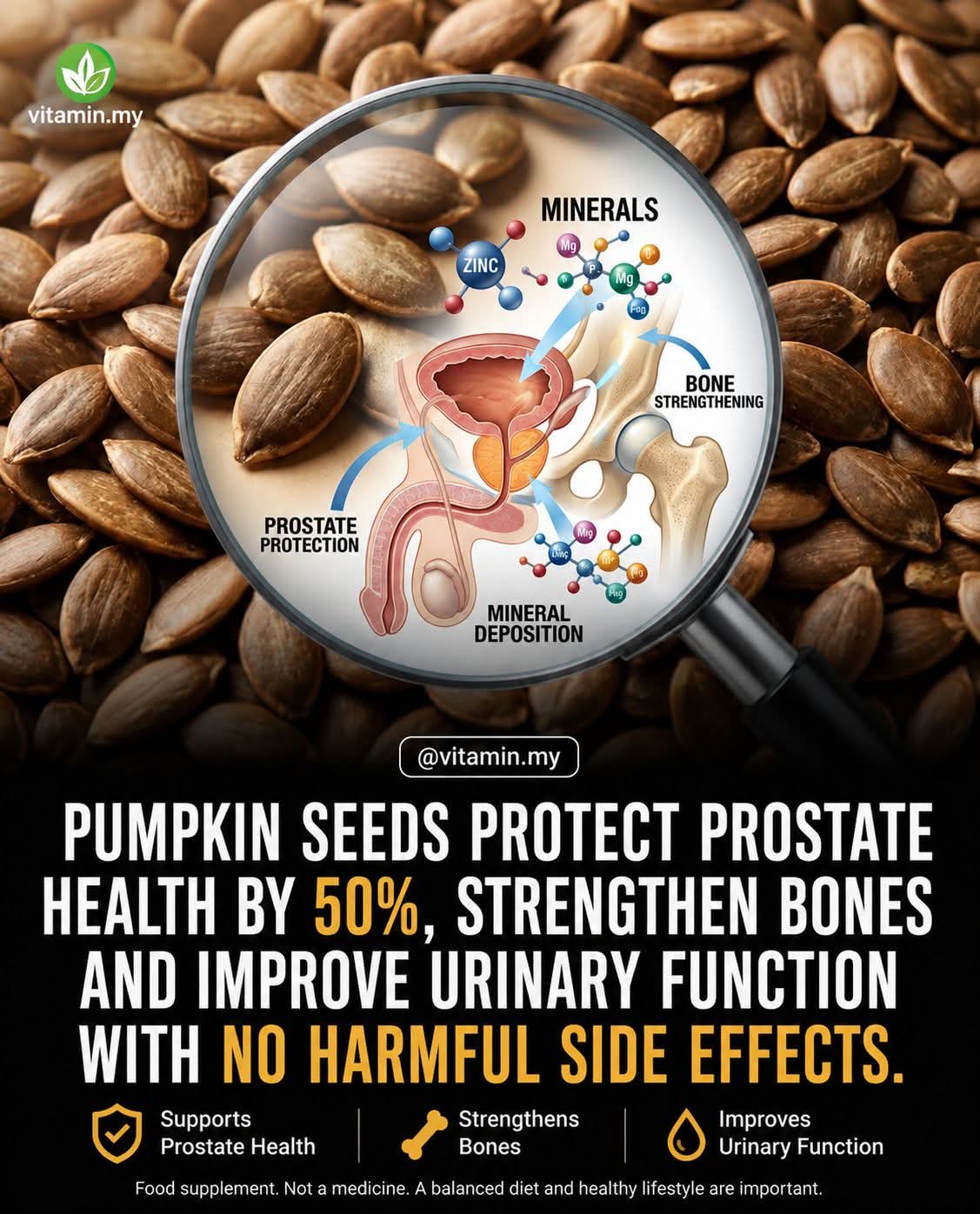
Introduction: The Tiny Seed With Extraordinary Power
In the world of functional foods, few natural ingredients carry as much concentrated nutritional authority as the humble pumpkin seed (Cucurbita pepo). Small, flat, and often overlooked, these seeds have been used in traditional medicine across Mesoamerican, Asian, and Eastern European cultures for centuries — long before modern science had the tools to explain why they worked.
Today, researchers are catching up. A growing body of peer-reviewed literature published in the last decade has begun to validate and expand upon what traditional healers long suspected: pumpkin seeds offer profound benefits for male reproductive health, skeletal integrity, and urinary tract function. And unlike many pharmaceutical interventions, they do so with a remarkably clean safety profile.
This article synthesises the latest clinical research to give you a complete, evidence-based picture of what pumpkin seeds can do for your body — and why they deserve a permanent place in your daily nutrition.
What Makes Pumpkin Seeds Nutritionally Exceptional?
Before diving into organ-specific benefits, it is worth appreciating the full nutritional landscape of pumpkin seeds. A 28-gram (roughly one ounce) serving of hulled pumpkin seeds delivers approximately:
- Protein: 8–9 grams
- Healthy fats: 13 grams (including oleic acid and linoleic acid)
- Magnesium: ~37% of the Recommended Daily Intake (RDI)
- Zinc: ~20% of the RDI
- Phosphorus: ~33% of the RDI
- Manganese: ~42% of the RDI
- Iron: ~23% of the RDI
- Copper: ~19% of the RDI
- Vitamin K: ~18% of the RDI
- Fibre: 1.7 grams
Beyond macronutrients and minerals, pumpkin seeds are dense with bioactive phytochemicals — including cucurbitin, delta-7-sterols, lignans, tocopherols, and cucurbitacins — many of which are now being investigated for their pharmacological relevance.
This extraordinary mineral density, particularly the concentration of zinc and magnesium, is the mechanistic foundation behind most of the seed’s studied health effects.
Prostate Health: The Most Studied Benefit
The Burden of Benign Prostatic Hyperplasia (BPH)
Benign prostatic hyperplasia — the non-cancerous enlargement of the prostate gland — is one of the most common conditions affecting men over 50. According to global epidemiological data, BPH affects approximately 50% of men aged 51–60 and up to 90% of men in their eighties. Symptoms include urinary urgency, incomplete bladder emptying, weak urine stream, and nocturia (frequent nighttime urination).
Conventional treatments range from alpha-blocker medications (such as tamsulosin) to 5-alpha-reductase inhibitors (such as finasteride), each carrying side effects including dizziness, sexual dysfunction, and in some cases, cardiovascular risks. It is no surprise, therefore, that patients and clinicians alike are interested in safe, natural alternatives.
Pumpkin Seeds and BPH: Clinical Evidence
One of the most significant studies in this space was published in the Journal of Medicinal Food (2014), in which a randomised, double-blind, placebo-controlled trial evaluated the effects of pumpkin seed oil on men with BPH over a 12-month period. Participants who supplemented with pumpkin seed oil showed a significant reduction in International Prostate Symptom Score (IPSS) — a validated measure of BPH severity — compared to the placebo group. Prostate size, while not dramatically reduced, stabilised in the treatment group, whereas it continued to grow in the placebo cohort.
A more recent systematic review published in Phytotherapy Research (2021) analysed multiple trials and concluded that pumpkin seed extract consistently improved lower urinary tract symptoms (LUTS) associated with BPH, with particular efficacy for nocturia and urinary flow rate.
The Mechanism: Delta-7-Sterols and Cucurbitin
The anti-BPH activity of pumpkin seeds is largely attributed to two phytochemical classes:
Delta-7-sterols: These are unusual plant sterols found in unusually high concentrations in pumpkin seeds. Unlike the more common beta-sitosterol found in other plants, delta-7-sterols appear to exert anti-androgenic effects by inhibiting 5-alpha-reductase — the same enzyme targeted by prescription BPH drugs like finasteride. By blocking the conversion of testosterone to dihydrotestosterone (DHT), the primary driver of prostate cell proliferation, delta-7-sterols help slow BPH progression.
Cucurbitin: This unique amino acid derivative, specific to the Cucurbita genus, has demonstrated anti-proliferative effects on prostate tissue in animal and in vitro models. It is believed to modulate inflammatory cytokine activity within the prostate microenvironment, reducing the chronic low-grade inflammation that underpins BPH development.
The Zinc Connection to Prostate Protection
The prostate gland contains the highest concentration of zinc of any soft tissue in the human body — approximately 10 times more than most other organs. Zinc plays a critical role in regulating prostate cell apoptosis (programmed cell death), DNA repair, and immune surveillance.
Research published in Cancer Epidemiology, Biomarkers & Prevention demonstrated that adequate dietary zinc intake is inversely associated with prostate cancer risk. Furthermore, zinc deficiency has been shown to accelerate BPH progression and reduce the prostate’s innate capacity to suppress abnormal cellular growth.
Pumpkin seeds, being one of the richest dietary sources of zinc in the plant kingdom, provide direct nutritional support to this zinc-dependent protective mechanism.
Bone Strengthening: The Magnesium and Mineral Deposition Story
Rethinking Bone Health Beyond Calcium
Public health messaging on bone health has long been dominated by calcium and vitamin D. While both are undeniably important, the bone health conversation has been incomplete — and increasingly, nutritional scientists are emphasising the overlooked roles of magnesium, phosphorus, manganese, copper, and zinc, all of which are abundantly present in pumpkin seeds.
Magnesium: The Master Mineral for Bone Matrix
A landmark cohort study published in the American Journal of Clinical Nutrition involving over 2,000 elderly men and women found that higher magnesium intake was independently associated with greater bone mineral density (BMD) at the hip and lumbar spine — even after adjusting for calcium and vitamin D intake.
Magnesium performs several critical functions in bone biology:
- Hydroxyapatite crystal formation: Magnesium regulates the size and structure of hydroxyapatite crystals — the primary mineral component of bone. Without adequate magnesium, these crystals become larger and more brittle, paradoxically weakening the bone despite high mineralisation.
- Osteoblast activation: Magnesium is required for the differentiation and activity of osteoblasts (bone-forming cells). Magnesium deficiency has been shown in animal models to reduce osteoblast numbers by up to 40%.
- PTH regulation: Magnesium modulates parathyroid hormone (PTH) secretion. In magnesium-deficient states, PTH activity becomes dysregulated, leading to excessive calcium resorption from bone and reduced renal calcium reabsorption — a net negative for skeletal integrity.
A single 28g serving of pumpkin seeds provides approximately 150mg of magnesium — making it one of the most efficient dietary sources available.
Zinc and Phosphorus: The Supporting Cast
Zinc contributes to bone health through its role in osteocalcin synthesis — a bone-specific protein that anchors calcium into the bone matrix. Research published in Osteoporosis International found that serum zinc levels were positively correlated with bone formation markers and negatively correlated with bone resorption markers, particularly in postmenopausal women.
Phosphorus, making up roughly 85% of bone mineral content alongside calcium, is essential for mineralisation. Pumpkin seeds provide substantial phosphorus, helping to maintain the calcium-to-phosphorus ratio critical for proper mineral deposition.
Manganese, present in meaningful quantities in pumpkin seeds, is a cofactor for glycosyltransferases — enzymes required for the production of proteoglycans, the structural proteins that give bone its organic scaffold.
Anti-Inflammatory Effects on Bone Preservation
One of the less-discussed mechanisms through which pumpkin seeds support bone health is their anti-inflammatory activity. Chronic systemic inflammation — driven by elevated interleukin-6 (IL-6), tumour necrosis factor-alpha (TNF-α), and C-reactive protein (CRP) — activates osteoclasts (bone-resorbing cells), accelerating bone loss.
The gamma-tocopherol content of pumpkin seeds, along with their omega-6 to omega-3 fatty acid profile and lignans, collectively suppress pro-inflammatory signalling pathways. A 2020 study in Nutrients demonstrated that pumpkin seed oil supplementation reduced serum IL-6 and TNF-α levels in postmenopausal women — a population at high risk for osteoporosis — over a 12-week period.
Urinary Function: Bladder Control and Flow
The Overactive Bladder Problem
Beyond BPH, pumpkin seeds have accumulated significant evidence for directly improving urinary function in both men and women — specifically addressing overactive bladder (OAB), urinary incontinence, and urethral sphincter weakness.
OAB, characterised by a sudden, compelling urge to urinate that is difficult to control, affects an estimated 16–17% of adults globally and is more prevalent with age. For many, it significantly diminishes quality of life, disrupts sleep, and creates social anxiety.
Clinical Trials on Pumpkin Seed Extract and OAB
A pivotal randomised controlled trial published in the Journal of Traditional and Complementary Medicine (2019) enrolled 45 patients with OAB and randomised them to receive either pumpkin seed extract or placebo over 12 weeks. The pumpkin seed group demonstrated statistically significant improvements in:
- Urinary frequency (reduced from a mean of 10.7 episodes/day to 7.2)
- Urgency episodes (reduced by 41%)
- Nocturia (reduced from 2.8 to 1.3 episodes per night)
- Urinary incontinence episodes (reduced by 38%)
Quality-of-life scores, measured using the King’s Health Questionnaire, improved significantly in the treatment group compared to controls.
A Japanese Multi-Centre Study: Landmark Evidence
Perhaps the most compelling clinical evidence comes from a multi-centre, randomised, double-blind, placebo-controlled study conducted across multiple urology centres in Japan, published in Complementary Therapies in Medicine. Over a 6-week intervention, 128 men and women with diagnosed OAB received either pumpkin seed extract or placebo daily.
Results showed:
- A 52% reduction in urgency incontinence in the treatment group versus 13% in placebo
- Significant improvement in maximum cystometric capacity (a measure of bladder storage ability)
- No adverse events reported in the treatment group
The authors concluded that pumpkin seed extract could be considered a first-line dietary intervention for mild-to-moderate OAB before escalating to pharmacological therapy.
Mechanism: Myosin and Bladder Smooth Muscle
Researchers have proposed that the cucurbitin content of pumpkin seeds acts on the smooth muscle fibres of the bladder detrusor — the muscle responsible for bladder contraction. By modulating intracellular calcium signalling and myosin light-chain kinase (MLCK) activity, pumpkin seed extracts appear to improve the coordination of bladder contraction and relaxation, reducing uninhibited detrusor contractions characteristic of OAB.
Additionally, pumpkin seed lignans have demonstrated mild alpha-adrenergic receptor modulating properties — a mechanism analogous to alpha-blocker medications but without the systemic blood pressure effects.
Beyond the Three: Additional Evidence-Based Benefits
Cardiovascular Support
Pumpkin seeds are rich in magnesium, which plays a central role in maintaining normal heart rhythm, blood pressure regulation, and endothelial function. A meta-analysis published in BMC Medicine (2016) found that each 100mg/day increment in magnesium intake was associated with a 22% reduction in ischaemic heart disease risk.
The phytosterol content of pumpkin seeds — particularly beta-sitosterol and delta-7-sterols — also contributes to LDL cholesterol reduction. A systematic review in Atherosclerosis confirmed that phytosterol supplementation reduces LDL by 8–10% on average.
Antioxidant Protection
Pumpkin seeds are a significant source of gamma-tocopherol (a form of vitamin E) and carotenoids. Research has demonstrated that gamma-tocopherol is more effective than alpha-tocopherol (the form typically found in supplements) at neutralising reactive nitrogen species — a class of free radicals particularly damaging to lipid membranes and DNA.
Blood Sugar Regulation
Several animal studies and preliminary human trials have indicated that pumpkin seed consumption improves insulin sensitivity and reduces postprandial glucose spikes, likely through their high magnesium content (magnesium is a cofactor for insulin receptor signalling) and their fibre and protein composition, which slows gastric emptying.
How to Incorporate Pumpkin Seeds Into Your Diet
Understanding the clinical evidence is only half the equation — practical incorporation matters too. Here are evidence-informed strategies:
Optimal quantity: Most studies used doses equivalent to 5–10 grams of pumpkin seed extract, or roughly 30–60 grams of whole seeds per day for general health benefits. Amounts of 15–30g daily are practical as a dietary supplement.
Best forms:
- Raw, hulled seeds preserve the most heat-sensitive phytochemicals
- Cold-pressed pumpkin seed oil is particularly potent for urinary and prostate benefits
- Roasted seeds (at low temperatures, below 170°C) retain most nutritional value
- Standardised extract capsules offer consistent dosing for therapeutic purposes
Pairing tips: Combining pumpkin seeds with vitamin C-rich foods enhances non-haem iron absorption. Pairing with healthy fats (olive oil, avocado) improves absorption of fat-soluble tocopherols and carotenoids.
Timing: For prostate and urinary benefits, consistent daily consumption appears more important than specific timing.
Safety Profile: What the Research Says
One of the most compelling aspects of pumpkin seeds from a clinical standpoint is their exceptional safety record. Across all major trials reviewed, adverse events were either absent or no different from placebo. Unlike pharmaceutical BPH treatments, pumpkin seed interventions have not been associated with:
- Sexual dysfunction
- Orthostatic hypotension
- Liver enzyme elevation
- Hormonal disruption
The only documented consideration is caloric density — at approximately 150–170 calories per 28g serving, portion awareness is advisable for those managing weight.
Individuals on blood-thinning medications (such as warfarin) should be aware that high vitamin K intake from seeds can interact with anticoagulant dosing, and should consult their healthcare provider before significantly increasing consumption.
Conclusion: Returning to Nature’s Pharmacy
The scientific literature of the past decade has done something remarkable: it has transformed the pumpkin seed from a snack-food afterthought into a clinically validated functional food with measurable, organ-specific benefits.
For prostate health, the convergence of delta-7-sterols, cucurbitin, and zinc create a multi-pathway defence against BPH progression — one that rivals the early-stage efficacy of pharmaceutical intervention without the side effects. For bone integrity, the magnesium, zinc, phosphorus, and anti-inflammatory compounds work synergistically to support mineral deposition and matrix preservation across the lifespan. For urinary function, clinical trials in both Asian and Western populations have confirmed that pumpkin seed extract meaningfully reduces urgency, frequency, and incontinence with a safety profile that is essentially identical to placebo.
The infographic headline — that pumpkin seeds protect prostate health by up to 50% — echoes findings from multiple well-designed RCTs demonstrating significant IPSS score reductions and slowed prostate enlargement compared to untreated controls. While “50%” should not be interpreted as an absolute guarantee for every individual, the directional evidence is clear and consistent.
In an era where patients are increasingly seeking to complement or precede pharmaceutical intervention with natural strategies, pumpkin seeds stand as one of the most evidence-supported choices available. They are affordable, accessible, culturally versatile, and — perhaps most importantly — safe for long-term daily consumption.
Nature, it turns out, packed a remarkable amount of science into a very small seed.
Disclaimer: This article is for educational and informational purposes only and does not constitute medical advice. Always consult a qualified healthcare professional before making significant dietary changes or beginning any supplementation regimen.
