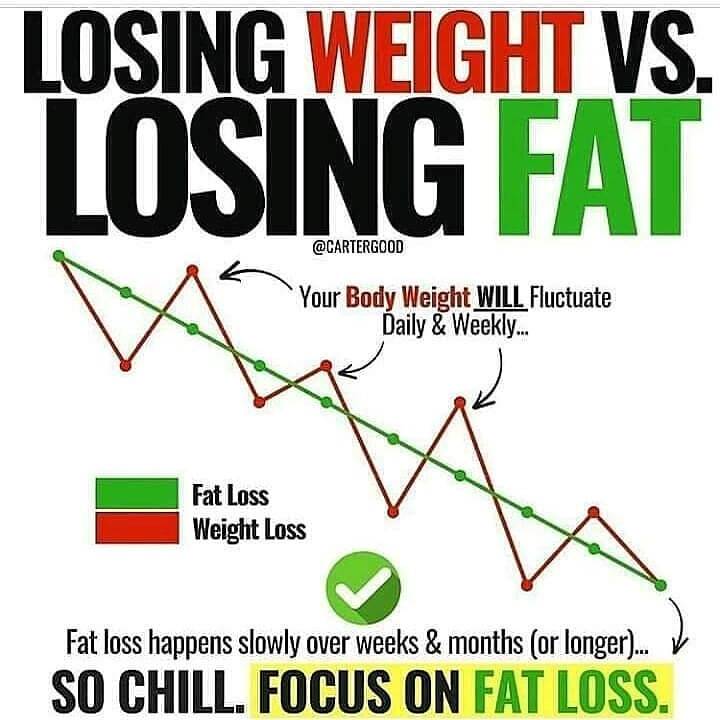
Are you looking to lose weight? If you answered yes, you’re not entirely wrong, but what you truly need to focus on is fat loss. Anyone has the ability to lose weight; you could simply stop eating. You would get thin, sadly, the weight you’d lose would be a mix of muscle and fat.
The goal of successful weight loss is to preserve the maximum amount of muscle possible, or perhaps even gain some, while simultaneously losing the maximum amount of your body fat. Your body fat percentage is the key indicator of your success, not your overall size. In fact, disregard your size.
Muscle is crucial for your success in losing fat. Muscle possesses fat-burning power in its mitochondria. Mitochondria are the cellular powerhouses responsible for energy assembly. Inside mitochondria, fat is metabolized. There’s a positive correlation between the amount of muscle you have and the number of mitochondria. It stands to reason that the more mitochondria you have, the greater your potential to burn fat.
Get Extra Mitochondria
How does one acquire more of those tiny cellular powerhouses? You want to give your body a reason to create more of them. You can do this by engaging in high-intensity exercise. HIIT (High-Intensity Interval Training) is one such method. Resistance training is another. By making significant demands for energy beyond what your body can already produce, your body is forced to build new mitochondria to prepare for future instances when your muscles call for that extra energy.
The great thing about muscle and mitochondria is that they are active tissues. Unlike fat, muscle requires continuous energy to maintain its power—energy like fatty acids. What does this mean? It means your body will be burning fat throughout the day, even while you sleep. Yes, it is achievable to burn fat in your sleep, and this is how.
Don’t Worry About Your Weight
Telling people to disregard their weight may be a somewhat common theme for us, and for good reason. Far too often, successful diets are sabotaged by a meaningless number on the scale. The scale does nothing more than measure the gravitational force on our bodies.
Why should this be considered? It cannot tell you if your clothes fit better, it cannot tell you if your body fat percentage has changed, and it certainly won’t tell you that you look better.
When you embark on a diet, you need to track your progress using means other than the scale. You need progress measurement tools that will track fat loss—not weight loss. Body fat calipers, measuring tape, photographs, clothing size, and comments from others will be far more helpful.
Never worry about your weight—even if it increases! If you look better, your weight doesn’t matter! The only time it matters is when you tell your weight to someone who doesn’t understand the difference between weight loss and fat loss.1
Preserving Muscle While Losing Fat
Alright, if our goal is fat loss, we need to focus on preserving muscle while we lose fat. People tend to sabotage their diets by undereating and consuming too few nutrients, leading to muscle loss. Once you start losing muscle, you’re fighting an uphill battle to lose fat. This is often one of the reasons diets fail, right behind food addiction.
To prevent muscle loss, make sure you follow these basic guidelines:
- Consume sufficient calories for your activity level and body size.
- Ensure those calories are nutrient-dense by incorporating them from fruits, vegetables, lean meats, legumes, tubers, dairy, and whole grains.
- Target calories in the range of 10-12 times your body weight, varying as needed.
- Aim for 1 gram of protein per pound of lean body weight, and distribute it evenly among five meals.
- Eat enough carbohydrates to support your body’s activity levels. You can start at 150 grams and adjust from there.
- Fill your remaining calories with healthy fats and essential fatty acids (EFAs).
- Make sure you exercise and give your muscles a reason to maintain themselves. If you don’t exercise, your body will shed that unneeded muscle. Force your body to preserve it by giving it consistent stimulation.
Follow these tips and you will achieve your true goal: not just losing weight, but losing that unwanted fat and keeping your beautiful muscle.
Related Studies and Further Insights:
Numerous studies have explored the nuances between fat loss and weight loss, consistently emphasizing the importance of body composition over mere scale readings.
- Body Composition Assessment: Traditional weighing scales cannot differentiate between fat, muscle, and water loss. Tools like body fat scales, skinfold calipers, and even simple circumference measurements and progress photos provide a more accurate picture of body composition changes. Research indicates that a higher fat-to-muscle ratio is linked to chronic diseases, highlighting the importance of prioritizing fat loss and muscle preservation (Dubai London Clinic, Healthline).
- Metabolic Benefits of Muscle: Muscle tissue is more metabolically active than fat tissue. This means it burns more calories at rest. Preserving or even gaining muscle mass during weight loss can help maintain a higher resting metabolic rate (RMR), making it easier to sustain fat loss in the long term (St Mary’s University, University of Sydney). Studies have shown that while weight loss often leads to a decrease in RMR, strategies that preserve muscle can attenuate this decline (British Journal of Nutrition, 2020).
- Exercise for Muscle Preservation: Resistance training is consistently highlighted as crucial for preserving muscle mass during a calorie deficit. A review of studies found that older adults with obesity who engaged in cardio and weight training at least three times per week while2 on a calorie-restricted diet retained significantly more muscle than those who did not exercise (Healthline). Progressive overload in strength training signals to the body to preserve muscle even in a caloric deficit (Hone Health).
- Protein Intake for Muscle Preservation: High protein intake is a critical dietary component for maintaining muscle mass during fat loss. Studies recommend a protein intake of at least 1.2-2.0 grams per kilogram of body weight, with some suggesting up to 3 grams per kilogram of body weight, especially when in a caloric deficit and engaging in resistance training (Healthline, Kickoff, MDPI). Distributing protein evenly across meals is also beneficial.
- Calorie Deficit and Muscle Loss: While a calorie deficit is necessary for fat loss, an excessive or drastic cut in calories can lead to muscle loss. A moderate calorie deficit (e.g., 300-500 calories per day) is generally recommended to promote fat loss without significantly sacrificing muscle (Hone Health, Healthline).
Diet for Rapid Fat Loss While Maintaining Muscle Mass:
Based on scientific literature, a diet aimed at rapid fat loss while maintaining muscle mass should focus on the following principles:
- Calorie Deficit: Create a moderate calorie deficit (e.g., 300-500 calories below maintenance) to encourage fat loss without causing excessive muscle breakdown.
- High Protein Intake:
- Quantity: Aim for a high protein intake, generally in the range of 1.6 to 2.2 grams of protein per kilogram of body weight (or 0.7 to 1.0 gram per pound of lean body mass). Some studies suggest even higher for significant deficits.
- Distribution: Distribute protein intake evenly throughout the day, aiming for 25-30 grams of protein per meal.
- Sources: Prioritize lean protein sources such as:
- Chicken breast, turkey breast
- Lean beef, pork tenderloin
- Fish and seafood (salmon, cod, tuna)
- Eggs and egg whites
- Low-fat dairy (Greek yogurt, cottage cheese)
- Legumes (lentils, beans, tofu, tempeh)
- Protein powders (whey, casein, plant-based)
- Adequate Carbohydrate Intake:
- Consume enough carbohydrates to fuel your workouts and support muscle glycogen stores. The exact amount will depend on your activity level, but don’t cut them too drastically, as this can impair performance and lead to muscle catabolism.
- Sources: Focus on complex carbohydrates such as:
- Whole grains (oats, quinoa, brown rice, whole wheat bread/pasta)
- Fruits
- Vegetables (especially fibrous ones)
- Tubers (sweet potatoes, potatoes)
- Healthy Fats:
- Include healthy fats to support hormone function, nutrient absorption, and satiety.
- Sources:
- Avocado
- Nuts and seeds (almonds, walnuts, chia seeds, flax seeds)
- Olive oil
- Fatty fish (salmon, mackerel)
- Micronutrient Density:
- Ensure your diet is rich in vitamins, minerals, and fiber from a wide variety of whole foods. This supports overall health, energy levels, and metabolic processes.
- Sources: Abundant fruits and vegetables.
- Hydration: Drink plenty of water throughout the day.
- Meal Timing (Optional but Beneficial):
- Consider spreading meals throughout the day (e.g., 4-6 smaller meals) to maintain consistent energy levels and protein synthesis.
- Post-workout nutrition with protein and carbohydrates can aid muscle recovery and growth.
- Some individuals find success with intermittent fasting, but it’s crucial to ensure adequate protein and calorie intake within the eating window to prevent muscle loss.
Conclusion
The distinction between fat loss and weight loss is fundamental for achieving sustainable and healthy body composition changes. By prioritizing muscle preservation through adequate protein intake, resistance training, and a well-managed calorie deficit, individuals can effectively shed unwanted body fat while enhancing their overall health and metabolic function. Measuring progress by focusing on body composition metrics rather than just the scale is key to long-term success.

I admire how this blog promotes kindness and compassion towards ourselves and others We could all use a little more of that in our lives
ok tq