The Clock Is Ticking, But Exercise Can Turn It Back: How Science Says You Can Reverse Heart Aging
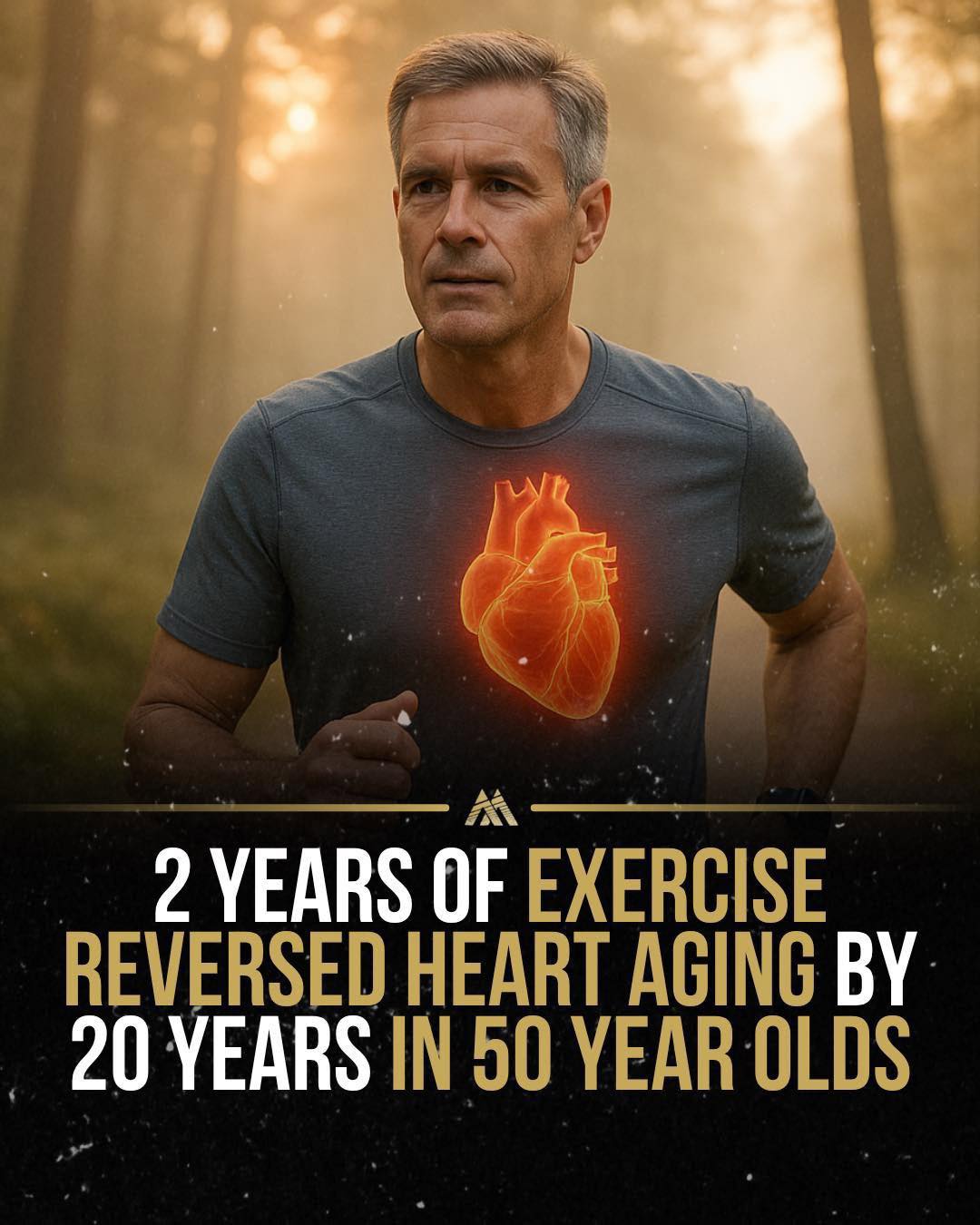
It’s a startling reality of aging: our most vital organ, the heart, gradually loses its youthful elasticity, becoming stiffer and less efficient. This age-related decline is a primary driver of heart failure, a condition that affects millions. But what if you could not only halt this process but actually turn back the clock on your heart’s age? A groundbreaking peer-reviewed study offers compelling evidence that a specific “dose” of exercise can do just that, potentially making your heart functionally 20 years younger.
Published in the esteemed journal Circulation, research conducted by a dedicated team at the University of Texas Southwestern Medical Center and Texas Health Resources has illuminated a path to reclaiming cardiovascular youth. The study, “Reversing the Cardiac Effects of Sedentary Aging in Middle Age—A Randomized Controlled Trial,” reveals that a two-year program of consistent, targeted aerobic exercise can significantly reverse the damage caused by a sedentary lifestyle.
For sedentary adults aged 45-64, this research provides not just hope, but a concrete, science-backed action plan. The findings are a powerful testament to the fact that when it comes to heart health, it’s not too late to make a profound difference.
The Aging Heart: A Story of Stiffening and Decline
To fully appreciate the significance of this study, it’s essential to understand what happens to the heart as we age, especially in the absence of regular physical activity. A key process is the stiffening of the heart muscle, particularly the left ventricle. The left ventricle is the heart’s main pumping chamber, responsible for sending oxygen-rich blood to the rest of the body.
Think of a youthful, healthy heart as a flexible, elastic balloon. It easily expands to fill with blood and then powerfully contracts to pump it out. This elasticity is what scientists refer to as “cardiac compliance.” As we age, and especially if we lead a sedentary life, the heart muscle, much like a rubber band left in a drawer, loses its stretchiness. This is known as diastolic dysfunction.
A stiff heart can’t relax and fill with blood as efficiently. This causes pressure to build up within the heart and can eventually lead to blood backing up into the lungs, a hallmark of heart failure. This age-related stiffening was once thought to be an irreversible consequence of time. This study, however, challenges that long-held belief.
The Study That Rewrote the Rules of Cardiac Aging
The researchers at UT Southwestern embarked on a two-year journey with a group of 53 healthy but sedentary middle-aged adults (average age 53). These individuals were randomly assigned to one of two groups: a control group that participated in yoga and balance training, and an exercise group that followed a specific and progressive aerobic exercise regimen.
The exercise group’s “prescription for life,” as lead author Dr. Benjamin Levine calls it, involved four to five weekly sessions of moderate and high-intensity aerobic exercise. The program was designed to be progressive, gradually increasing in intensity and duration over the first few months.
At the end of the two years, the results were nothing short of remarkable. The participants in the exercise group showed an 18% improvement in their maximum oxygen uptake (VO2 max), a key indicator of cardiorespiratory fitness. More strikingly, their hearts showed a more than 25% improvement in compliance, or elasticity, of the left ventricular muscle. In essence, their hearts had become significantly less stiff and more youthful in their function.
The researchers concluded that this consistent and strategic exercise regimen could effectively reverse the effects of sedentary aging on the heart.
Your “Prescription for Life”: The Exercise Regimen That Reverses Heart Aging
So, what does this fountain-of-youth exercise plan look like? It’s a carefully structured mix of different intensities and durations, designed to challenge the heart in various ways. Here’s a breakdown of the weekly schedule that the study participants followed:
- One High-Intensity Interval Training (HIIT) Session: This is a cornerstone of the program. The study utilized the “4×4” protocol, which involves:
- Four minutes of high-intensity exercise, pushing your heart rate to 90-95% of its maximum.
- Followed by three minutes of active recovery at a lower intensity.
- This cycle is repeated four times.
- Examples of activities suitable for HIIT include running, cycling, or using an elliptical machine.
- Two to Three Moderate-Intensity Sessions: On these days, the goal is to exercise for 30 minutes at a pace where you can still hold a conversation, but you’re breaking a sweat and your breathing is noticeably elevated. Activities could include brisk walking, jogging, swimming, or a dance fitness class.
- One Longer Moderate-Intensity Session: Once a week, the participants engaged in a longer session of at least an hour. This could be an enjoyable activity like a long hike, a bike ride, playing tennis, or a lengthy walk.
- One or Two Strength Training Sessions: While the primary focus was on aerobic exercise, the regimen also included one to two days of strength training to build and maintain muscle mass, which is also crucial for overall metabolic health.
The key takeaway is that the “dose” of exercise matters. Two to three days a week was found to be insufficient to reap the significant heart-rejuvenating benefits observed in the four-to-five-day group.
The Critical Window: Why Starting Before 65 is Key
Another crucial finding of the study is the importance of timing. The researchers emphasize that the window of opportunity for reversing heart aging is not indefinite. The study suggests that for this type of exercise program to be most effective at remodeling the heart, it should be initiated before the age of 65.
After this age, the heart seems to lose some of its plasticity, or its ability to remodel itself in response to exercise. While exercise is still incredibly beneficial for older adults, the dramatic reversal of cardiac stiffness seen in this study is more likely to be achieved in middle age.
How to Begin Your Journey to a Younger Heart
For those who have been sedentary for years, the prospect of starting such a program can be daunting. The good news is that the study participants didn’t jump into this intense regimen overnight. They built up to it gradually over several months. Here are some practical tips for beginners over 45 to get started safely and effectively:
- Consult Your Doctor: Before beginning any new exercise program, it’s essential to speak with your healthcare provider, especially if you have any pre-existing health conditions.
- Start Slow and Low: Begin with shorter, less intense sessions. You might start with 20-30 minutes of brisk walking three days a week.
- Choose Activities You Enjoy: You’re more likely to stick with an exercise program if you find activities you genuinely like. Explore different options until you find what works for you.
- Listen to Your Body: Pay attention to how you feel. It’s normal to feel some muscle soreness initially, but sharp pain is a sign to rest and recover.
- Gradually Increase Duration and Intensity: As you get fitter, you can slowly increase the length of your workouts and then begin to incorporate short bursts of higher intensity.
- Find a Support System: Exercising with a friend, family member, or a group can provide motivation and accountability.
The Takeaway: It’s Time to Move
The findings from the UT Southwestern study are a powerful call to action. They demonstrate that we have more control over our cardiovascular destiny than we might have thought. While we can’t stop the chronological clock, we can influence our biological one. By embracing a consistent and strategic exercise regimen in middle age, we can not only prevent the stiffening of our hearts but actually reverse it, paving the way for a healthier and more vibrant future. The message is clear: the path to a younger heart is paved with sweat, consistency, and the right “dose” of motion.
