The Uncomfortable Truth: Why There’s No “Safe” Amount of Processed Meat and Ultra-Processed Foods
For years, dietary guidelines have advised moderation when it comes to certain foods, but a growing body of evidence is challenging the very notion of a “safe” threshold for many processed items. A recent, comprehensive review, spearheaded by researchers from the University of Washington, has delivered a sobering message to meat lovers and consumers of convenience foods alike: when it comes to processed meats and other ultra-processed items, there appears to be no amount that is entirely free of health risks.
This expansive study, which meticulously synthesized data from over 70 previously conducted studies encompassing millions of participants, paints a stark picture of the cumulative harm posed by seemingly small, regular dietary choices. The findings are particularly stark for processed meats, highlighting a direct and concerning link to some of the most pervasive chronic diseases of our time.
The Alarming Numbers: A Daily Hot Dog’s Hidden Cost
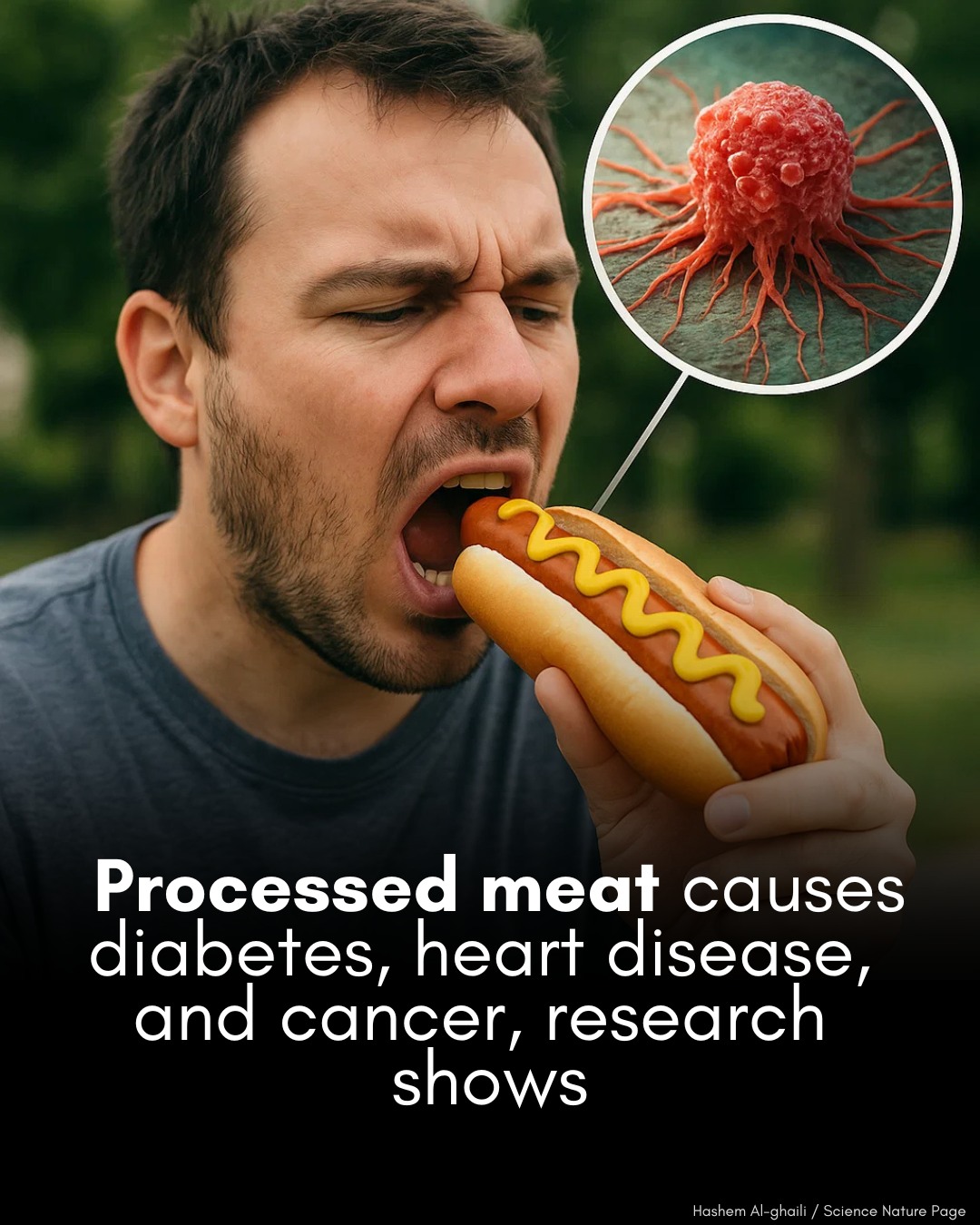
Imagine the casual indulgence of a single hot dog, a staple at barbecues and ball games. According to this groundbreaking review, even this seemingly innocuous daily habit is associated with an alarming 11% increase in the risk of developing type 2 diabetes and a 7% increase in the risk of colorectal cancer. These figures, when contrasted with individuals who consume no processed meat, underscore the cumulative impact of what might be perceived as minor dietary transgressions.
The scope of “processed meats” is broader than many realize, extending beyond the obvious hot dogs and bacon to include a wide array of products transformed through curing, salting, smoking, or chemical preservation. This includes popular items such as ham, sausages, salami, corned beef, jerky, and canned meats. The common thread among these items is the industrial alteration designed to enhance flavor, extend shelf life, and often, reduce cost.
Beyond Meat: The Broader Landscape of Ultra-Processed Perils
The review didn’t stop at processed meats. It cast a wider net to examine the health implications of other ultra-processed items that have become ubiquitous in modern diets. Sugar-sweetened beverages (SSBs), for instance, were found to contribute significantly to health woes. An extra sugary drink per day was linked to an 8% increased risk of diabetes and a 2% rise in the risk of heart disease. Similarly, even small, consistent amounts of trans fats were associated with a 3% increase in the risk of heart disease.
This comprehensive approach underscores a critical point: it’s not just one isolated food group but a pervasive shift towards highly processed foods that is contributing to a global health crisis. These items, engineered for palatability and convenience, often displace more nutritious whole foods, leading to dietary imbalances and long-term health consequences.
Understanding the Mechanisms: How Processed Foods Wreak Havoc
While the initial study focused on associations, further research has delved into the biological mechanisms by which processed meats and ultra-processed foods contribute to disease.
For processed meats, several pathways are implicated in increasing the risk of colorectal cancer and type 2 diabetes:
- N-nitroso compounds (NOCs): These highly carcinogenic compounds are formed during the processing of meat, particularly when nitrates and nitrites (used as preservatives and to enhance color) react with amines in the meat. NOCs can damage DNA in colon cells, promoting tumor growth. Research has definitively classified processed meat as “carcinogenic to humans” by the World Health Organization.
- Heme iron: The type of iron found abundantly in red and processed meats, heme iron can promote the formation of harmful compounds in the gut, leading to oxidative stress and DNA damage in the colon lining.
- Heterocyclic Amines (HCAs) and Polycyclic Aromatic Hydrocarbons (PAHs): These carcinogenic compounds are formed when meat is cooked at high temperatures, especially grilling, pan-frying, or barbecuing. HCAs and PAHs can damage DNA and contribute to the development of various cancers.
- Sodium content: Processed meats are notoriously high in sodium, which is a known contributor to hypertension and can indirectly impact metabolic health.
- Advanced Glycation End products (AGEs): Formed during high-temperature processing, AGEs can contribute to inflammation and oxidative stress, which are underlying factors in the development of chronic diseases like type 2 diabetes and cardiovascular disease.
For ultra-processed foods in general, including sugar-sweetened beverages and trans fats, additional mechanisms are at play:
- High sugar content: Excessive sugar intake, particularly from SSBs, leads to rapid spikes in blood glucose and insulin, contributing to insulin resistance over time and increasing the risk of type 2 diabetes. The liver also converts excess sugar into fat, contributing to non-alcoholic fatty liver disease.
- Inflammation and oxidative stress: Many ultra-processed foods are low in fiber and essential micronutrients, but high in refined carbohydrates, unhealthy fats, and artificial additives. This can lead to chronic low-grade inflammation throughout the body, a key driver of heart disease, diabetes, and various cancers.
- Gut microbiome disruption: The composition and diversity of our gut bacteria play a crucial role in overall health. Diets rich in ultra-processed foods can negatively alter the gut microbiome, potentially impacting metabolism, immune function, and inflammation.
- Additives and emulsifiers: Research is ongoing into the potential long-term effects of various food additives, including emulsifiers, which some studies suggest could negatively impact gut health and contribute to inflammation.
- Caloric density and satiety: Ultra-processed foods are often designed to be hyper-palatable, leading to overconsumption. Their low fiber and protein content, combined with high sugar and unhealthy fat, means they may not provide adequate satiety, contributing to weight gain and obesity, which are themselves major risk factors for numerous chronic diseases.
The Strength of the Evidence: A Conservative Estimate
It’s important to acknowledge that the initial findings from the University of Washington study, like much dietary research, rely on observational data and self-reported eating habits. While such studies cannot definitively prove cause and effect, they are crucial for identifying strong associations and guiding public health recommendations.
A significant strength of this particular review lies in its methodology. The researchers employed a “conservative method” for analysis, which means their reported risk increases are likely to be underestimates of the true health risks. This conservative approach adds considerable weight to their conclusions, suggesting that the actual impact of these foods could be even more profound.
Further supporting these findings, recent meta-analyses and systematic reviews have continued to solidify the link between ultra-processed food consumption and a wide range of adverse health outcomes. A large-scale systematic review and dose-response meta-analysis published in March 2025, for example, involving over 1.1 million participants, found a 15% increased risk of all-cause mortality for those with the highest UPF consumption compared to the lowest. Moreover, a 10% increment in UPF consumption was associated with a 10% higher risk of all-cause mortality, demonstrating a clear linear relationship.
Another study published in ScienceAlert in July 2025 further reinforced the “no safe amount” message, noting the consistency across various health outcomes including type 2 diabetes, ischemic heart disease, and colorectal cancer, even at minimal consumption levels.
The Societal Dilemma: Balancing Convenience and Health
The widespread consumption of ultra-processed foods is not merely a matter of individual choice; it’s a complex societal issue. These products offer undeniable benefits: they are often affordable, readily available, and have extended shelf lives, making them crucial for food access in communities with limited fresh food options. In regions where fresh produce is scarce or expensive, ultra-processed foods can provide a convenient and economical source of calories.
However, the research team’s unambiguous message is clear: cutting back on these foods as much as possible is the optimal strategy for improving public health. This recommendation transcends the notion of finding a “safe” amount, shifting the focus to minimization rather than seeking a tolerable threshold.
Moving Forward: Public Health Implications and Individual Action
The implications of this research are far-reaching. For public health specialists and policymakers, these findings provide compelling data to inform dietary guidelines and potentially drive initiatives aimed at reducing the consumption of ultra-processed foods. This could involve educational campaigns, food labeling regulations, or even fiscal measures to discourage the purchase of these products.
For individuals, the message is a call to action. While completely eliminating ultra-processed foods from one’s diet may be challenging in modern society, making conscious efforts to reduce their intake can have significant health benefits. This might involve:
- Prioritizing whole, unprocessed foods: Focusing on fresh fruits, vegetables, whole grains, lean proteins, and healthy fats.
- Reading food labels diligently: Being aware of ingredients like nitrates, nitrites, partially hydrogenated oils, high-fructose corn syrup, and excessive sugar.
- Cooking at home more often: This allows for greater control over ingredients and preparation methods.
- Choosing healthier alternatives: Opting for water over sugary drinks, preparing homemade snacks instead of packaged ones, and selecting lean, unprocessed cuts of meat when consumed.
- Understanding the “hidden” processed foods: Recognizing that many seemingly healthy options, like certain breakfast cereals or flavored yogurts, can still be highly processed.
The science is increasingly clear: the more we embrace foods in their natural, unprocessed state, the better we equip our bodies to thrive. The latest research on processed meats and ultra-processed foods serves as a powerful reminder that our daily dietary choices, no matter how small they seem, collectively shape our long-term health trajectory. The time for seeking a “safe” amount may be over; the emphasis now shifts to conscious reduction and a renewed commitment to wholesome nutrition.
