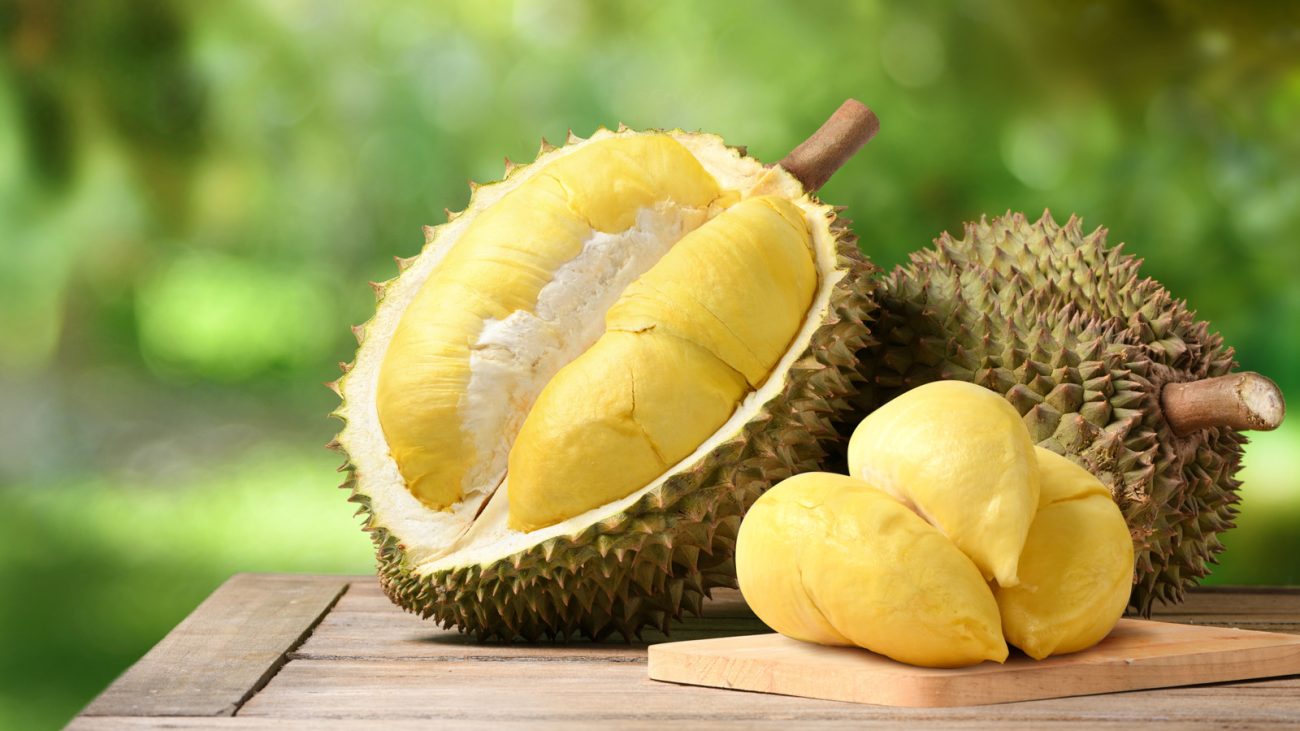
The durian, often hailed as the “King of Fruits” in Southeast Asia, is a paradoxical delight. Its pungent aroma and unique flavor profile evoke strong reactions – either adoration or repulsion. In Malaysia, as durian season rolls around, a familiar scenario unfolds in clinics: patients with chronic conditions suddenly experiencing worsening symptoms. High blood pressure patients report sudden dizziness, heart patients suffer from shortness of breath, and diabetics see their blood sugar levels spike unexpectedly. Their confession is almost always the same: “Doctor, I ate durian yesterday…”
This recurring narrative begs the question: Is durian truly the culprit behind these health woes?
Unpacking the Durian Debate: More Than Just a “Villain”
While it’s tempting to point fingers at the spiky fruit, the reality is more nuanced. Durian isn’t an inherently “forbidden” food, but its potent nutritional profile demands moderation, especially for individuals managing chronic diseases such as hypertension (high blood pressure), heart disease, diabetes, and kidney problems.
The Nutritional Powerhouse: Why Durian Needs Respect
To understand durian’s impact, let’s look at its nutritional composition. Durian is naturally high in calories, natural sugars (fructose), fats, and potassium. While these components are beneficial in moderation for healthy individuals, they can pose significant challenges when consumed in large quantities by those with pre-existing health conditions.
- Caloric Density: Durian is famously calorie-dense. A single medium-sized durian can contain anywhere from 800 to over 1,500 calories, depending on the variety and size. For instance, 100 grams of durian flesh typically contains around 147 calories. This high caloric content can contribute to weight gain if consumed excessively, which in turn can exacerbate conditions like diabetes and heart disease.
- Sugar Content: Durian is rich in natural sugars, predominantly fructose. While natural, these sugars can still cause a rapid surge in blood glucose levels, particularly concerning for individuals with diabetes. A study published in the Journal of Agricultural and Food Chemistry (2009) by S.K. Koh et al. highlighted that durian’s glycemic index (GI) can vary but is generally moderate to high, indicating its potential to raise blood sugar. For comparison, 100 grams of durian can contain approximately 27 grams of carbohydrates, with a significant portion being sugars.
- Fat Content: Durian contains a notable amount of fat, primarily monounsaturated fats, which are generally considered “heart-healthy.” However, the quantity still matters. 100 grams of durian can contain around 5 grams of fat. Excessive intake of any fat, even healthy ones, contributes to higher caloric intake and can potentially burden the cardiovascular system, especially in individuals with existing heart conditions.
- Potassium Levels: Durian is an excellent source of potassium, an essential mineral vital for maintaining fluid balance, nerve signals, and muscle contractions, including the heart. While beneficial for most, high potassium intake can be problematic for individuals with compromised kidney function. The kidneys are responsible for filtering excess potassium from the blood. If kidney function is impaired, high potassium levels (hyperkalemia) can accumulate, leading to potentially dangerous heart rhythm abnormalities. A typical 100-gram serving of durian can contain over 400 mg of potassium.
The “Perfect Storm”: Durian and Lifestyle Factors
The “durian effect” on health is often compounded by other dietary and lifestyle choices. It’s rarely just the durian itself.
- Sweet Drinks and Desserts: The durian season often comes with an abundance of other sweet treats, from iced drinks to durian-infused desserts. Combining durian with these sugary companions amplifies the total sugar and calorie intake, placing a greater burden on the body’s metabolic systems.
- Seafood and Rich Foods: In some cultures, durian is consumed alongside or after rich, sometimes high-cholesterol, foods like certain types of seafood. While there’s no direct scientific evidence of a harmful interaction between durian and seafood from a physiological perspective, the combined indulgence in rich, calorie-dense foods can collectively strain the digestive and cardiovascular systems.
- Lack of Sleep and Stress: General lifestyle factors like insufficient sleep and high stress levels can also weaken the body’s resilience, making it more susceptible to adverse reactions from dietary overindulgence.
Scientific Insights and Latest Statistics
Recent studies continue to shed light on the specific mechanisms behind durian’s effects on the body, particularly in vulnerable populations.
- Impact on Blood Pressure: While durian contains potassium, which can help regulate blood pressure, its high sugar and calorie content, when consumed in excess, can indirectly contribute to elevated blood pressure. A study published in the Journal of Human Hypertension (2018) highlighted that excessive caloric intake, particularly from sugary foods, can lead to weight gain and insulin resistance, both of which are risk factors for hypertension. For individuals already on antihypertensive medication, a sudden surge in blood pressure due to overindulgence can be alarming. The Malaysian National Health and Morbidity Survey (NHMS) 2019 indicated that the prevalence of hypertension among adults aged 18 years and above was 30.0%, suggesting a significant portion of the population is at risk.
- Blood Sugar Management: For diabetics, durian poses a significant challenge. The rapid absorption of fructose can lead to post-meal hyperglycemia (high blood sugar). A review in the Asia Pacific Journal of Clinical Nutrition (2015) emphasized the importance of carbohydrate counting for diabetic patients, and durian, with its high sugar content, requires careful consideration. According to the NHMS 2019, the prevalence of diabetes among adults in Malaysia was 18.3%, indicating a large population susceptible to the effects of high sugar intake from sources like durian.
- Cardiovascular Strain: The high caloric and fat content, combined with potential blood sugar spikes, can increase the workload on the heart. For individuals with pre-existing heart conditions like coronary artery disease or heart failure, this increased strain can manifest as symptoms like shortness of breath or chest discomfort. The Journal of the American Heart Association (2020) highlighted that dietary patterns rich in added sugars and saturated fats contribute to cardiovascular disease progression.
- Kidney Health: The high potassium content in durian is a primary concern for patients with chronic kidney disease (CKD). As kidney function declines, the body’s ability to excrete potassium diminishes, leading to hyperkalemia. Severe hyperkalemia can cause life-threatening arrhythmias. The Nephrology Dialysis Transplantation journal (2019) has consistently published research on dietary restrictions for CKD patients, with potassium management being a critical aspect. The Ministry of Health Malaysia reports an increasing incidence of end-stage renal disease, underscoring the need for careful dietary management, especially during durian season.
How Much is Too Much? Sensible Consumption Guidelines
The key to enjoying durian without adverse health consequences lies in moderation. The quantity varies significantly based on an individual’s health status.
- For Healthy Individuals: A sensible portion is typically 2-3 durian pods (ulas). This allows for enjoyment without excessive caloric or sugar intake.
- For Individuals with Chronic Conditions (Hypertension, Heart Disease, Diabetes): The recommended intake is even more stringent, limited to 1-2 pods (ulas) only. Furthermore, it’s crucial to avoid durian entirely if your health is unstable or you are experiencing acute symptoms of your condition. Close monitoring of blood pressure or blood sugar levels before and after consumption is advisable. Consulting with a doctor or dietitian before indulging is highly recommended.
- For Individuals with Kidney Disease: This group faces the most severe restrictions due to durian’s high potassium content. Complete avoidance is strongly advised for individuals with Stage 3 or higher kidney disease or those undergoing dialysis. The risk of hyperkalemia far outweighs the pleasure of consumption.
Durian: Not the Enemy, But a Lesson in Discipline
Ultimately, durian is not the enemy. It’s a natural fruit with nutritional benefits. However, like any potent food, its consumption requires wisdom and discipline, especially for those managing chronic health conditions. The adage “everything in moderation” applies perfectly to the King of Fruits.
The symptoms reported at clinics during durian season are less about the durian being inherently toxic and more about the body’s “revenge” against overindulgence. Eating durian “as if seeking revenge” – consuming vast quantities without regard for one’s health status – inevitably leads to the body retaliating with concerning symptoms.
Enjoy durian wisely.
Eat in moderation, and your health will be maintained.
