Still Tired? Still Bloated? It’s Not Your Fault
You’ve tried the low-carb life.
You’ve skipped sugar, avoided fast food.
Maybe you’ve even gone on juice cleanses, skipped meals, or joined an expensive fitness program.
And yet…
- The belly fat won’t budge.
- Your energy crashes after meals.
- Your uric acid stays high, and your labs still don’t look good.
- You wake up more tired than you were before sleeping.
Here’s the truth that might shock you:
It’s not your willpower. It’s not just your diet. It’s your liver.
Your Liver: The Forgotten Metabolism Organ
We often think of the liver as just a detox organ. But in reality, your liver is the central processing unit of your body. It:
- Filters toxins and metabolic waste
- Regulates blood sugar
- Produces bile to digest fats
- Breaks down cholesterol
- Supports hormone balance
When your liver gets clogged with fat, toxins, and inflammation, it stops doing its job efficiently. This causes a chain reaction:
- Slower metabolism
- Fat storage in the belly
- Elevated uric acid and cholesterol
- Fatigue, especially after meals
- Hormonal imbalances and poor sleep
And the scariest part?
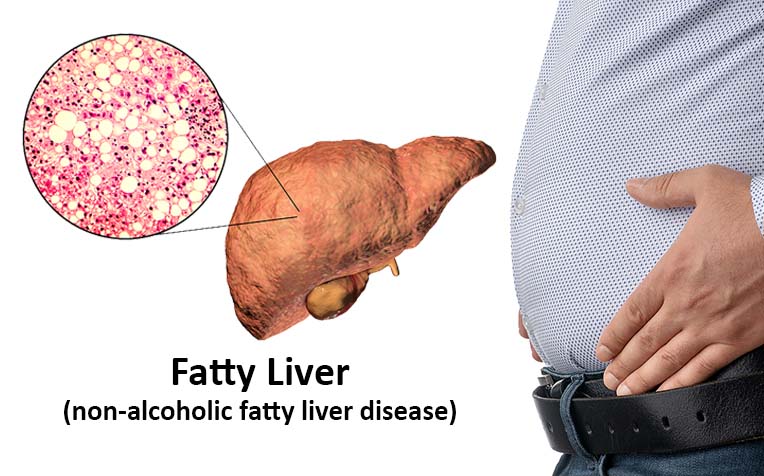
You don’t have to be a drinker to have a fatty liver.
Studies have shown that non-alcoholic fatty liver disease (NAFLD) is rising rapidly—even in people with normal weight. According to the Journal of Hepatology (2020), NAFLD affects 25% of the global population, largely due to processed food, refined sugar, and seed oils.
Symptoms of a Congested Liver
If your liver is overloaded, you may notice:
- Constant fatigue
- Difficulty losing weight (especially around the waist)
- Puffy face or bloated stomach
- High uric acid, high cholesterol, or fatty liver indicators in your blood test
- Brain fog or poor concentration
- Skin issues (acne, eczema, dullness)
These are all signs your liver needs help.
What’s Clogging Your Liver?
Even if you eat healthy most of the time, your liver might still be struggling. Here’s why:
1. Processed Foods
Most packaged food contains artificial preservatives, flavorings, and refined sugar that overload your liver’s detox pathways.
2. Medications
Over-the-counter painkillers like paracetamol (acetaminophen), common in daily use, are known to stress the liver when taken long term.
3. Seed Oils
Oils like canola, sunflower, corn, soybean—heavily used in fast food and processed meals—are highly inflammatory. Studies show these oils oxidize easily and damage liver tissue over time.
4. Excess Fructose
Found in soft drinks, commercial juices, and desserts—fructose is metabolized only in the liver, and excessive intake promotes fat storage and insulin resistance.
5. Chronic Stress
Long-term stress increases cortisol, which indirectly contributes to liver fat accumulation and disrupts bile production.
5 Natural Ways to Support and Unclog Your Liver
Here are science-backed, simple practices you can do every day to support your liver naturally—no fancy supplements or expensive detox kits needed.
✅ 1. Apple Cider Vinegar in Warm Water (Morning Ritual)
Apple cider vinegar (ACV) helps:
- Stimulate bile production
- Enhance digestion and fat breakdown
- Support blood sugar control
How to do it:
2 tablespoons of raw, unfiltered ACV in 300ml warm water. Drink 30 minutes before breakfast.
A 2018 study in the Journal of Functional Foods showed that daily ACV consumption led to lower body fat mass and improved triglyceride levels.
✅ 2. Eat Cruciferous Vegetables Daily
Veggies like broccoli, cabbage, kale, cauliflower are rich in sulforaphane, a compound that activates detoxification enzymes in the liver.
They also help reduce oxidative stress and inflammation in the liver.
Best ways to eat: Lightly steamed, stir-fried with garlic, or added to soups.
Sulforaphane has been shown in research published in “Hepatology Research” to reduce liver fat and improve liver enzyme markers.
✅ 3. Take Chlorella & Spirulina
These green superfoods:
- Bind to heavy metals and pesticides
- Help remove environmental toxins from the liver
- Support cellular regeneration
Add 1 tsp of each to your morning juice, smoothie, or just mix with water.
A study in the journal “Nutrition Research and Practice” (2016) found that chlorella supplementation significantly improved liver enzyme levels in patients with NAFLD.
✅ 4. Eliminate Seed Oils
If you only make one change today, let it be this:
Stop consuming seed oils immediately.
Seed oils like:
- Canola
- Soybean
- Corn
- Sunflower
Are high in omega-6 fatty acids and are easily oxidized. This causes inflammation that directly affects liver health and fat metabolism.
What to use instead?
- Extra virgin olive oil
- Avocado oil
- Cold-pressed coconut oil
Research in “Lipids in Health and Disease” (2017) links seed oil consumption with higher rates of liver inflammation and visceral fat.
✅ 5. Get 30 Minutes of Sunlight Every Day
Vitamin D deficiency is linked to poor liver function, metabolic syndrome, and low immunity.
Sunlight helps regulate your circadian rhythm, which improves sleep—when your liver does its best detox work.
If you live in a low-sunlight area, consider a high-quality vitamin D3 supplement.
Daily Detox Is a Lifestyle, Not a 3-Day Cleanse
Your liver doesn’t detox once a year. It works 24/7, silently supporting every process in your body.
The best way to support it?
- Eat real, whole foods
- Drink plenty of clean water
- Move your body
- Sleep well
- Manage your stress
This isn’t about quick fixes.
It’s about creating small daily habits that make a big difference over time.
Final Thoughts
If you’re tired of blaming your diet or metabolism, start looking at your liver health.
Fix your liver, and:
- Your belly fat will begin to shrink
- Your energy will come back
- Your skin will clear up
- Your blood markers will improve
You don’t need to be perfect. You just need to be consistent.
