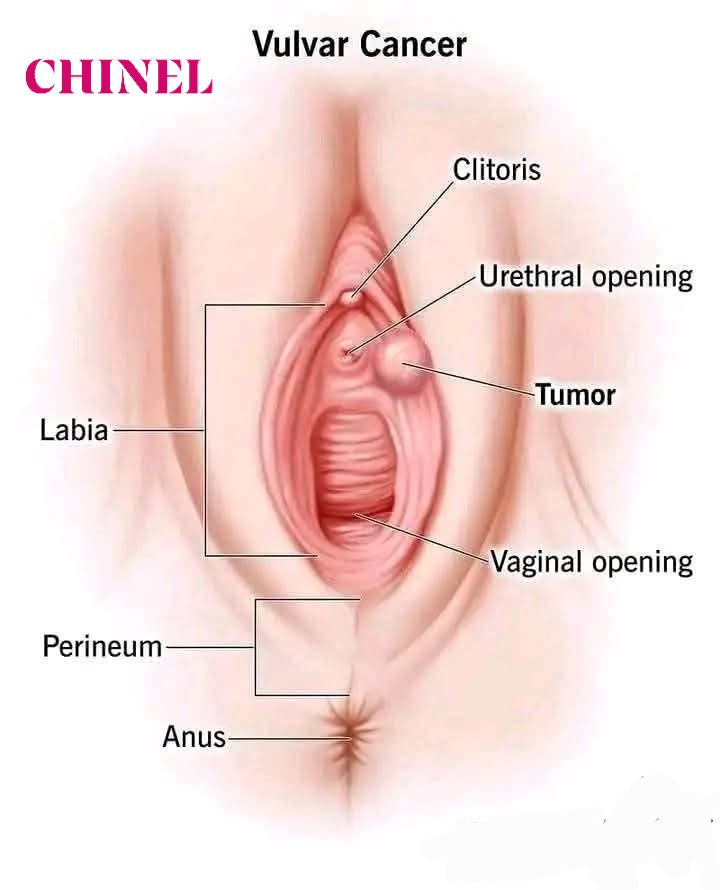
Although vulvar cancer is considered rare, it is a serious condition that requires more awareness—especially since early detection significantly improves survival rates. Affecting the outer part of the female genitalia known as the vulva, this type of cancer most commonly occurs in older women, but it can strike at any age. Increased awareness, timely screening, and preventive steps—including the right supplements—can play a major role in reducing risk and promoting early intervention.
What Is Vulvar Cancer?
Vulvar cancer begins in the vulva, the external part of the female reproductive system, which includes the labia majora, labia minora, clitoris, and the opening of the vagina. Most cases are squamous cell carcinomas, but other types like melanoma and adenocarcinoma can also occur. According to the American Cancer Society, vulvar cancer accounts for about 6% of all gynecologic cancers in the United States, but rates have been rising, particularly in younger women, largely due to an increase in human papillomavirus (HPV) infections.
Be Alert: Signs and Symptoms to Watch For
The earlier vulvar cancer is diagnosed, the greater the chances for successful treatment. Many women delay seeking help because the symptoms may appear mild or are mistaken for other conditions.
Here are the common warning signs to take seriously:
- Persistent itching, burning, or tenderness in the vulvar area
- Skin changes—including discoloration, thickened patches, raised lesions, or wart-like growths
- Lumps, ulcers, or sores that do not heal
- Unexplained bleeding or discharge not related to your menstrual cycle
- Pain or discomfort during urination or intercourse
If you notice any of these symptoms lasting more than a few weeks, consult a healthcare provider. Early-stage vulvar cancer is highly treatable.
Who Is at Risk for Vulvar Cancer?
Several risk factors can increase the likelihood of developing vulvar cancer. Some are preventable, while others may require close monitoring.
Human Papillomavirus (HPV) Infection
HPV, especially types 16 and 18, is a major cause of vulvar intraepithelial neoplasia (VIN), a precancerous condition that can progress to cancer if left untreated.
Research Highlight: A 2019 study published in The Lancet Oncology found that nearly 70% of vulvar cancer cases are linked to HPV infections, underscoring the importance of HPV vaccination.
History of Genital Warts
HPV-related genital warts indicate prior exposure to the virus, which is a known cancer risk factor.
Smoking
Cigarette smoking weakens the immune system’s ability to clear HPV infections, increasing cancer risk. Studies show that smokers are up to three times more likely to develop vulvar cancer compared to non-smokers.
Weakened Immune System
Immunosuppression, whether due to HIV, organ transplants, or autoimmune diseases, increases vulnerability to vulvar cancer.
Chronic Skin Conditions
Conditions such as lichen sclerosus, which causes inflammation and scarring of the vulvar skin, have been linked to increased risk. Women with this condition should undergo regular dermatologic and gynecologic evaluations.
Prevention Tips: Vaccines, Screenings, and Lifestyle Support
Get the HPV Vaccine
The Gardasil 9 vaccine protects against nine strains of HPV, including those most commonly linked to vulvar cancer. The CDC recommends the vaccine for everyone between ages 9–26, and it may still offer benefits up to age 45.
Regular Gynecologic Checkups
Even post-menopausal women should continue pelvic exams, as many gynecologic cancers—including vulvar—become more common with age.
Quit Smoking
Need another reason to quit? Kicking the habit can significantly reduce your risk of all types of cancer, including vulvar.
Boost Immune Health
A strong immune system can help clear HPV infections before they cause lasting damage.
Recommended Supplements for Immune Support and Skin Health
- Vitamin C – Supports immune function and collagen synthesis
- Vitamin D – Deficiency has been linked to increased risk of multiple cancers. Aim for 1,000–2,000 IU daily unless directed otherwise by a healthcare provider
- Zinc – Helps regulate immune responses and wound healing
- Curcumin – The active ingredient in turmeric, known for anti-inflammatory and potential anti-cancer effects
- EGCG (Green Tea Extract) – A potent antioxidant studied for its role in slowing cancer cell growth
Supplement Note: Always consult your doctor before starting any new supplement, especially if you are undergoing treatment or have other health conditions.
Diagnosing and Treating Vulvar Cancer
Diagnosis typically involves a pelvic exam, a biopsy of any suspicious lesions, and imaging tests (MRI, CT, or PET scan) to determine spread.
Treatment Options Vary by Stage
- Surgery – May involve local excision, vulvectomy, or lymph node removal
- Radiation Therapy – Often used when the cancer is locally advanced or to shrink tumors before surgery
- Chemotherapy – Usually reserved for advanced cases or if radiation is not sufficient
Early-stage cancers can often be managed with less invasive treatments and have a much better prognosis. Survival rates for localized vulvar cancer are above 85%.
Mental and Emotional Well-being
A diagnosis of vulvar cancer can be physically and emotionally taxing. Feelings of embarrassment or isolation are common—but you’re not alone.
Support resources include gynecologic oncology support groups, counseling for body image and intimacy concerns, and survivorship care programs.
Speaking up and seeking support is a sign of strength, not weakness.
Don’t Be Afraid to Speak Up
It’s understandable to feel uncomfortable discussing intimate health issues—but your life may depend on it. No concern is too minor when it comes to your body.
If something feels off, see a healthcare provider. Your voice, your questions, and your vigilance could be the key to early detection.
Final Thoughts: Your Health Comes First
Vulvar cancer may be rare, but it’s real—and preventable in many cases. Prioritize regular checkups, stay informed, and take care of your immune system. Whether through vaccination, lifestyle changes, or supplement support, your actions today can protect your health for years to come.
Your health matters. Speak up. Stay strong. Stay informed.
