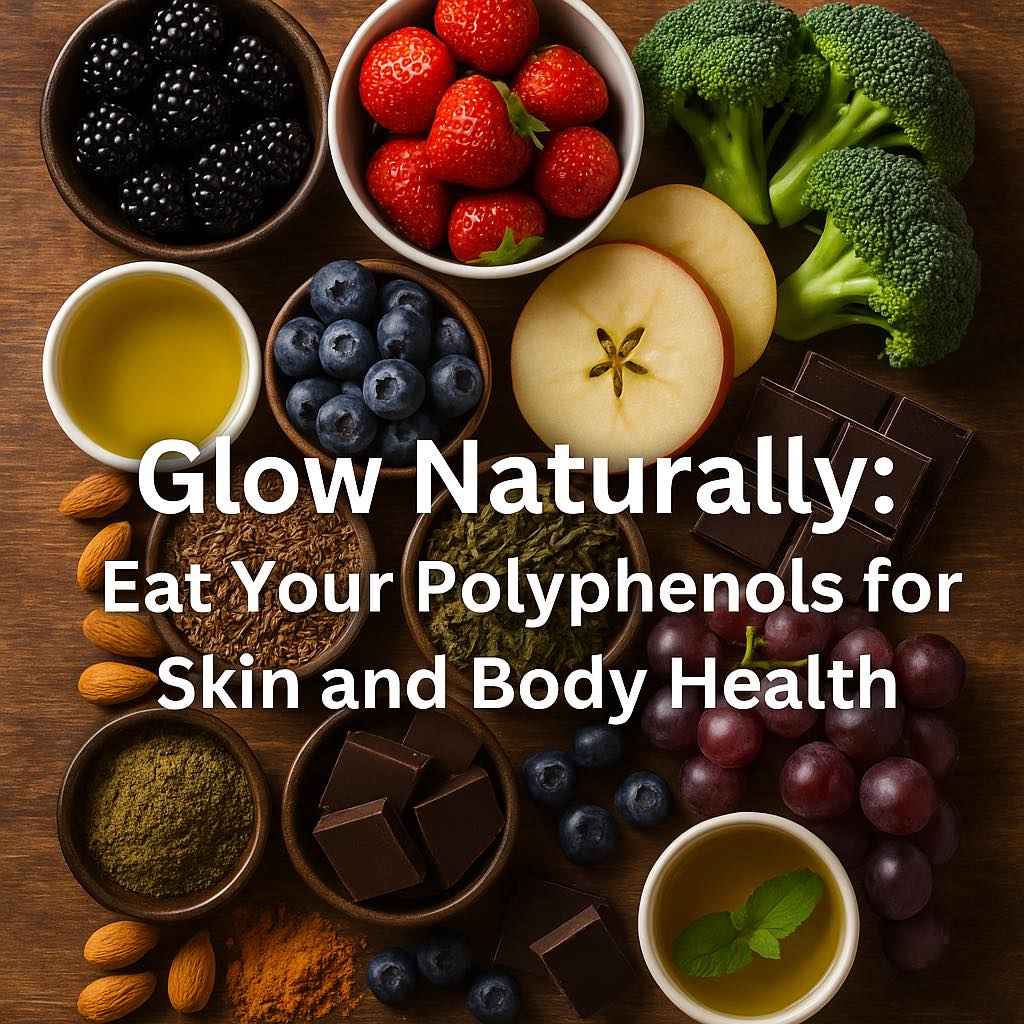
Want radiant skin, steady energy, and stronger immunity? Forget the endless array of expensive serums and lotions. While it’s certainly nice to splurge and pamper yourself occasionally, the true secret to a lasting glow lies not in a bottle, but on your plate. Polyphenols, powerful plant compounds, are your unsung heroes, tirelessly fighting inflammation and oxidative stress – two key culprits behind premature aging and chronic illness. You truly can eat your way to a natural, vibrant glow.
The Power of Polyphenols: Your Internal Defense System
Polyphenols are a vast family of natural compounds found abundantly in plants. They act as potent antioxidants, neutralizing harmful free radicals that damage cells and contribute to aging. Beyond their antioxidant prowess, polyphenols are also remarkable for their anti-inflammatory properties. Chronic inflammation is a silent aggressor, contributing to a myriad of health issues from heart disease to skin conditions. By consuming a diet rich in these compounds, you’re essentially bolstering your body’s internal defense system, leading to improvements that are not just skin deep.
Recent scientific research continues to unravel the profound impact of polyphenols on our health. A 2023 review published in the journal Nutrients, for instance, highlighted the growing evidence supporting the role of dietary polyphenols in mitigating oxidative stress and inflammation, thereby contributing to the prevention of various chronic diseases, including cardiovascular diseases and neurodegenerative disorders. The review emphasized that the synergistic effects of different polyphenols found in whole foods often yield greater benefits than isolated compounds.
The Skin-Gut Connection: Where Beauty Truly Begins
While we often focus on topical solutions for skin issues, the truth is that the health of your skin is intricately linked to the health of your gut. Your gut microbiome – the trillions of bacteria living in your digestive tract – plays a crucial role in nutrient absorption, immune function, and even the production of certain vitamins. Polyphenols act as prebiotics, nourishing beneficial gut bacteria and promoting a healthy microbiome. A balanced gut can lead to reduced inflammation throughout the body, which directly translates to clearer, calmer, and more resilient skin.
A study published in the Journal of Investigative Dermatology in 2024 further underscored this connection, demonstrating how gut dysbiosis (an imbalance in gut bacteria) can exacerbate inflammatory skin conditions. Conversely, a diet rich in polyphenols has been shown to positively modulate the gut microbiota, leading to systemic anti-inflammatory effects that benefit skin health.
Top Polyphenol-Rich Foods for Radiant Skin and Overall Wellness
Embracing a polyphenol-rich diet isn’t complicated. It’s about making conscious choices to include a wide variety of colorful, whole foods in your daily meals. Here are some of the top contenders that support both skin and overall wellness:
Berries: Antioxidant Superstars
Blueberries, blackberries, raspberries, and strawberries are bursting with anthocyanins, ellagic acid, and other powerful antioxidants. These compounds are excellent for supporting collagen production, the protein responsible for skin’s firmness and elasticity, and promoting a natural, youthful glow. Beyond skin benefits, berries are also known for their positive impact on cognitive function and cardiovascular health. A 2022 meta-analysis in the American Journal of Clinical Nutrition reinforced the cardiovascular benefits of regular berry consumption, attributing it partly to their rich polyphenol content.
Apples (with Skin): Quercetin Powerhouse
Don’t peel your apples! The skin is where a significant amount of quercetin, a potent antioxidant and anti-inflammatory flavonoid, resides. Quercetin helps reduce inflammation throughout the body, which can significantly calm skin irritations and redness. Studies, including a 2023 paper in Foods, have highlighted quercetin’s potential in modulating immune responses and reducing inflammatory markers.
Green Tea: UV Protection and Calm Skin
Green tea is a treasure trove of catechins, particularly epigallocatechin gallate (EGCG). EGCG is renowned for its ability to protect the skin from harmful UV damage, a leading cause of premature aging and skin cancer. Regular consumption can also help reduce inflammation and redness, contributing to clear, calm skin. Research published in the Journal of the American Academy of Dermatology in 2024 explored the topical and systemic benefits of green tea catechins in photoprotection and reducing skin inflammation.
Dark Chocolate (70% Cacao or Higher): A Sweet Treat for Your Skin
Yes, you read that right! Dark chocolate with 70% or higher real cocoa content is rich in flavonoids like flavanols. These compounds support skin hydration, improve blood flow, and enhance circulation, giving your skin a healthy flush. Choose varieties with minimal sugar for maximum benefits. A 2023 study in the Journal of Nutritional Biochemistry detailed how cocoa flavanols can improve skin microcirculation and hydration, contributing to a healthier complexion.
Olives and Extra Virgin Olive Oil: Liquid Gold for Elasticity
The cornerstone of the Mediterranean diet, olives and extra virgin olive oil (EVOO) are packed with powerful anti-inflammatory compounds like oleocanthal and hydroxytyrosol. These polyphenols are crucial for supporting skin elasticity, keeping it supple and youthful, and have also been linked to improved brain health and reduced risk of chronic diseases. Recent research, including a 2024 review in Antioxidants, continues to underscore EVOO’s profound anti-inflammatory and antioxidant properties, benefiting everything from cardiovascular health to skin integrity.
Cruciferous Vegetables: Detox and Balance
Broccoli, kale, cauliflower, and Brussels sprouts are not only nutrient-dense but also rich in glucosinolates and other polyphenols. These compounds support the body’s natural detoxification pathways and play a role in hormonal balance, which can significantly impact skin health, especially for those prone to hormonal breakouts. A 2022 study in Current Opinion in Food Science reviewed the role of cruciferous vegetables in supporting detoxification enzymes and modulating gut microbiota.
Red Grapes (Especially the Skins): Resveratrol Power
The skins of red grapes are a fantastic source of resveratrol, a polyphenol famous for its anti-aging properties. Resveratrol helps repair and protect skin cells from damage, and some research suggests it can even stimulate sirtuins, known as “longevity genes.” While often associated with red wine, consuming whole red grapes provides the benefits without the alcohol. A 2023 preclinical study in Aging Cell further investigated resveratrol’s mechanisms in cellular protection and anti-aging effects.
Nuts and Seeds: Healthy Fats and Polyphenols
Almonds, walnuts, flaxseeds, and chia seeds are excellent sources of both polyphenols and healthy fats (like omega-3s). These components work synergistically to support strong, supple skin by maintaining the skin barrier and reducing inflammation. Walnuts, in particular, are rich in ellagic acid, which has antioxidant properties. A 2024 systematic review in Frontiers in Nutrition emphasized the benefits of nut and seed consumption on skin health, linking it to their diverse nutrient profile, including polyphenols and essential fatty acids.
Herbs and Spices: Flavorful Antioxidant Boosters
Don’t underestimate the power of your spice rack! Cloves, turmeric, rosemary, oregano, and peppermint are incredibly polyphenol-rich. Incorporating these into your daily cooking not only enhances flavor but also provides a concentrated dose of antioxidants and anti-inflammatory compounds. Turmeric, with its active compound curcumin, is particularly well-researched for its anti-inflammatory effects. A 2023 review in Nutrients highlighted the potent antioxidant and anti-inflammatory activities of various culinary herbs and spices.
The Key is Variety: Embrace the Rainbow
The true magic of polyphenols lies in their diversity and synergistic effects. No single food provides all the benefits. The key is variety.
- Eat the rainbow: Aim for a wide spectrum of colors in your fruits and vegetables. Each color often signifies a different set of beneficial compounds.
- Add herbs and spices generously to your meals: Think beyond just salt and pepper.
- Sip tea throughout the day: Green tea, black tea, and herbal teas all offer polyphenol benefits.
- Choose whole, vibrant foods as often as you can: Prioritize fresh, unprocessed options over highly refined or packaged foods.
Beyond the Plate: A Holistic Approach
While diet is paramount, remember that healthy skin and overall well-being are also influenced by other lifestyle factors:
- Hydration: Drink plenty of water throughout the day to keep your skin plump and hydrated.
- Sleep: Adequate sleep allows your body to repair and regenerate, including skin cells.
- Stress Management: Chronic stress can trigger inflammation and negatively impact skin. Find healthy ways to manage stress.
- Sun Protection: While polyphenols offer some internal protection, always use external sun protection like sunscreen and protective clothing.
Conclusion: True Beauty Begins Within
In a world obsessed with quick fixes and external solutions, it’s empowering to remember that true beauty, vitality, and resilience begin from within. By nourishing your body with a diverse array of polyphenol-rich foods, you’re not just investing in radiant skin; you’re investing in steady energy, stronger immunity, and a foundation for long-term health. Your skin will reflect the care you put into your body, thanking you for every bite.
What polyphenol-rich foods will you add to your plate today to kickstart your journey to a natural glow?
