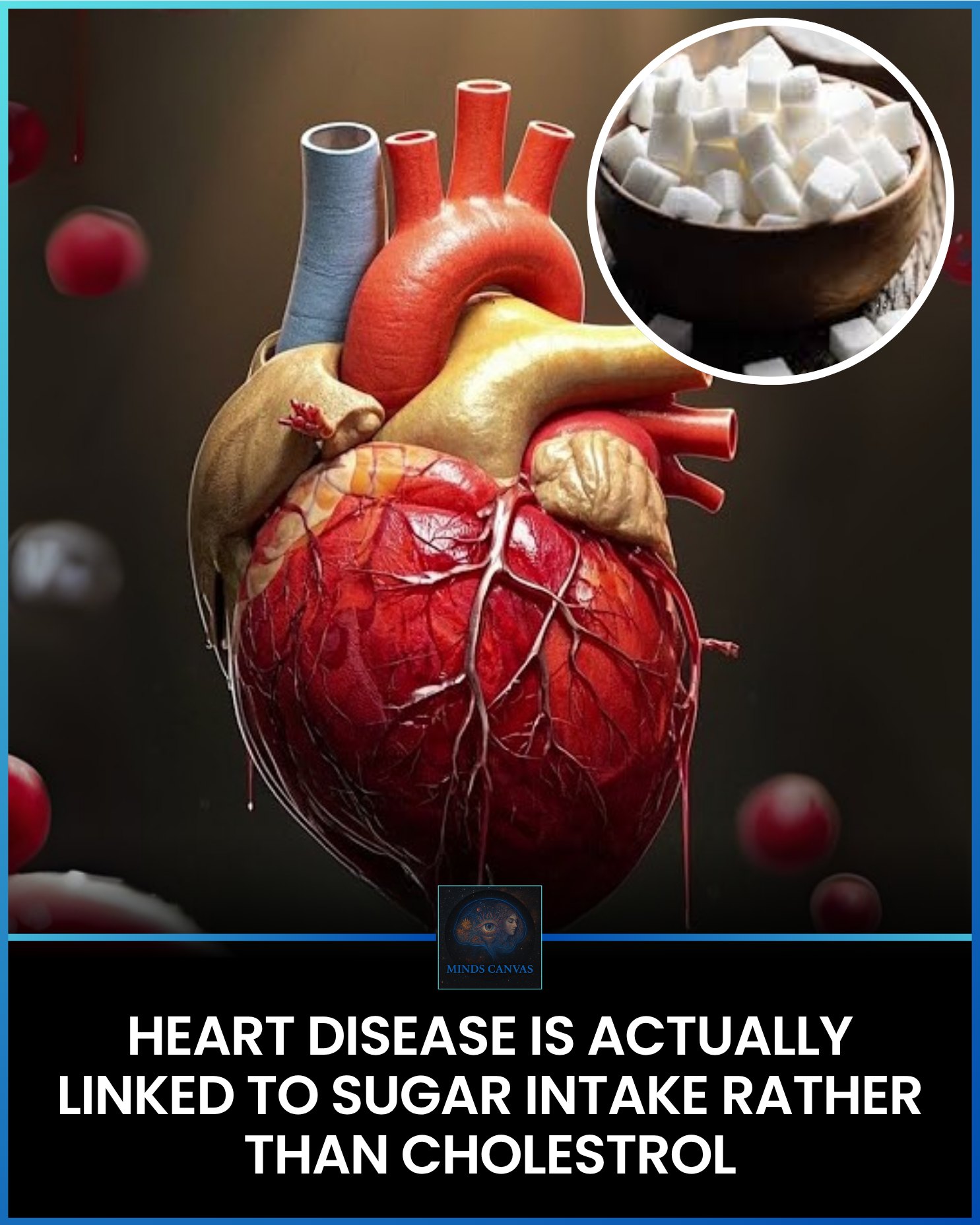
For decades, the dietary dogma surrounding heart health was clear: cholesterol was the enemy. We meticulously avoided butter, eggs, and full-fat dairy, believing these foods were silently clogging our arteries and paving the way for heart attacks. Yet, despite widespread adherence to low-fat guidelines, cardiovascular disease remains the leading cause of death globally. This enduring paradox has prompted a critical re-evaluation of our dietary assumptions, revealing a far more insidious culprit lurking in our modern food supply: added sugars.
Modern research is fundamentally reshaping our understanding of cardiovascular disease, with a compelling body of evidence pointing to sugar as a central and potent driver of the epidemic. The narrative is shifting from a singular focus on dietary fat and cholesterol to a broader, more nuanced understanding of metabolic dysfunction and inflammation, where excessive sugar consumption plays a starring role.
The Liver’s Burden: Fructose and De Novo Lipogenesis
The detrimental journey of sugar often begins in the liver, particularly with fructose, a type of sugar found naturally in fruits but concentrated in processed foods and sugary beverages. Unlike glucose, which can be metabolized by almost every cell in the body, fructose is primarily processed by the liver. When fructose intake is excessive, it overwhelms the liver’s capacity, triggering a process called de novo lipogenesis (DNL) – literally, “new fat making.”
During DNL, the liver converts excess fructose into triglycerides. This leads to the overproduction of very-low-density lipoprotein (VLDL) particles, which are essentially transport vehicles for these triglycerides. While VLDL is a normal component of blood lipids, chronic overproduction results in an accumulation of triglyceride-rich lipoproteins. These particles are now recognized as independent risk factors for atherosclerosis, contributing to plaque formation within arterial walls and disrupting the delicate inner lining of our blood vessels, known as the endothelium.
Recent studies corroborate this mechanism. A 2020 review published in the Journal of the American College of Cardiology highlighted how high fructose intake promotes hepatic lipogenesis and VLDL secretion, linking it directly to increased cardiovascular risk. Furthermore, research presented at the American Heart Association’s Scientific Sessions in 2023 continued to underscore the direct link between increased consumption of added sugars and elevated triglyceride levels, even in individuals with otherwise healthy lipid profiles.
Beyond Cholesterol: The Independent Risk of Added Sugars
Perhaps one of the most compelling pieces of evidence against sugar is its ability to increase cardiovascular risk even when traditional markers like LDL cholesterol remain within seemingly normal ranges. Large-scale prospective cohort studies have been instrumental in revealing this independent association.
A landmark 2014 study published in JAMA Internal Medicine found a significant association between a high added sugar intake and an increased risk of cardiovascular disease mortality. The researchers observed that individuals consuming 17% to 21% of their daily calories from added sugar had a 38% higher risk of cardiovascular disease mortality compared to those consuming less than 8%. More strikingly, the risk of cardiovascular disease mortality was more than doubled for those consuming 21% or more of their calories from added sugars. This research clearly demonstrated that the risk climbed with increased sugar consumption, independent of other risk factors and even when LDL cholesterol levels remained unchanged.
Further solidifying this link, a 2018 meta-analysis in Heart journal reviewed data from multiple studies and concluded that higher intake of sugary drinks was associated with an increased risk of cardiovascular disease events and mortality. These findings underscore that focusing solely on cholesterol levels misses a crucial piece of the puzzle; sugar has its own direct and profound impact on heart health.
The Insulin-Inflammation Axis: A Vicious Cycle
The role of sugar in heart disease extends far beyond its impact on lipid metabolism. Diets persistently high in refined carbohydrates and added sugars lead to repeated and significant spikes in blood glucose, which in turn trigger elevated insulin levels. Chronic hyperinsulinemia is a key driver of metabolic dysfunction and contributes to the progression of atherosclerosis through several mechanisms:
- Impaired Nitric Oxide Production: Insulin resistance, often a consequence of chronic sugar overload, impairs the production of nitric oxide (NO) by endothelial cells. Nitric oxide is a crucial vasodilator, meaning it helps blood vessels relax and widen, promoting healthy blood flow. Reduced NO availability leads to vasoconstriction, narrowing blood vessels and increasing blood pressure, thereby accelerating the development of atherosclerosis.
- Endothelial Dysfunction: High glucose levels directly damage the endothelium, making it more permeable to lipoproteins and inflammatory cells, laying the groundwork for plaque formation.
- Increased Inflammation: Excessive sugar intake fuels systemic inflammation, a critical underlying factor in all stages of atherosclerosis. Sugar promotes the production of pro-inflammatory cytokines such as interleukin-6 (IL-6) and C-reactive protein (CRP). These inflammatory markers weaken the structural integrity of existing plaques, making them more vulnerable to rupture – the primary cause of heart attacks and strokes. A 2021 review in Nutrients emphasized the pro-inflammatory effects of sugar, linking it to increased oxidative stress and endothelial dysfunction, both key contributors to cardiovascular disease.
- Oxidative Stress: The metabolism of excess sugar generates reactive oxygen species, leading to oxidative stress. This damages cells and tissues, including those in the cardiovascular system, contributing to endothelial dysfunction and plaque instability.
The Sweet Spot for Heart Health: Actionable Steps
The good news amidst this growing body of evidence is that relatively small, targeted dietary shifts can yield significant benefits for cardiovascular health. The current consensus among leading nutritional scientists and cardiologists is to drastically reduce or eliminate added sugars from the diet.
- Target Under 5% of Daily Calories from Added Sugar: The World Health Organization (WHO) recommends reducing intake of free sugars to less than 10% of total energy intake, and ideally to less than 5% for additional health benefits. For an average adult consuming 2000 calories per day, 5% translates to no more than 25 grams (about 6 teaspoons) of added sugar. This target is considerably lower than the average intake in many Western diets, which can easily exceed 100 grams per day.
- Embrace a Low-Glycaemic, Nutrient-Dense Diet: Focus on whole, unprocessed foods. Prioritize:
- Whole Fruits and Vegetables: Rich in fiber, vitamins, minerals, and antioxidants, which protect against inflammation and oxidative stress.
- Lean Proteins: Including fish, poultry, legumes, and nuts.
- Healthy Fats: From sources like avocados, nuts, seeds, and olive oil, which support satiety and provide essential fatty acids.
- Whole Grains (in moderation): Opt for true whole grains like oats, quinoa, and brown rice, which have a lower glycaemic index compared to refined grains.
- Read Labels Diligently: Added sugars hide under many names: high-fructose corn syrup, corn syrup, dextrose, maltose, sucrose, fruit juice concentrate, and more. Be vigilant about checking ingredient lists, especially for seemingly “healthy” foods like yogurt, granola bars, and sauces.
- Limit Sugary Beverages: Soft drinks, fruit juices (even 100% fruit juice in large quantities), and sweetened teas and coffees are major contributors to added sugar intake. Opt for water, unsweetened tea, or coffee.
- Cook More at Home: Preparing meals from scratch gives you full control over ingredients, allowing you to avoid hidden sugars and unhealthy additives common in processed foods.
- Understand Natural vs. Added Sugars: While natural sugars found in whole fruits are accompanied by fiber, vitamins, and minerals that mitigate their impact on blood sugar, added sugars in processed foods provide “empty calories” with little to no nutritional value.
Conclusion: A Paradigm Shift in Heart Health
The era of demonizing dietary cholesterol as the sole villain in heart disease is gradually fading, replaced by a more nuanced and scientifically supported understanding. While cholesterol management remains important, the overwhelming and mounting evidence points to added sugars as a silent, yet powerful, driver of the modern heart disease crisis. From its direct metabolic effects in the liver to its role in chronic inflammation and endothelial dysfunction, excessive sugar intake orchestrates a cascade of harmful processes that accelerate atherosclerosis and increase the risk of cardiovascular events.
The truth is clear: the solution to improving heart health for millions lies not just in meticulously avoiding fats, but in a concerted effort to remove the pervasive sweetness that has quietly shaped the modern diet. By understanding sugar’s insidious impact and making conscious choices to reduce its consumption, we can significantly protect our long-term cardiovascular health and reclaim a healthier future.
