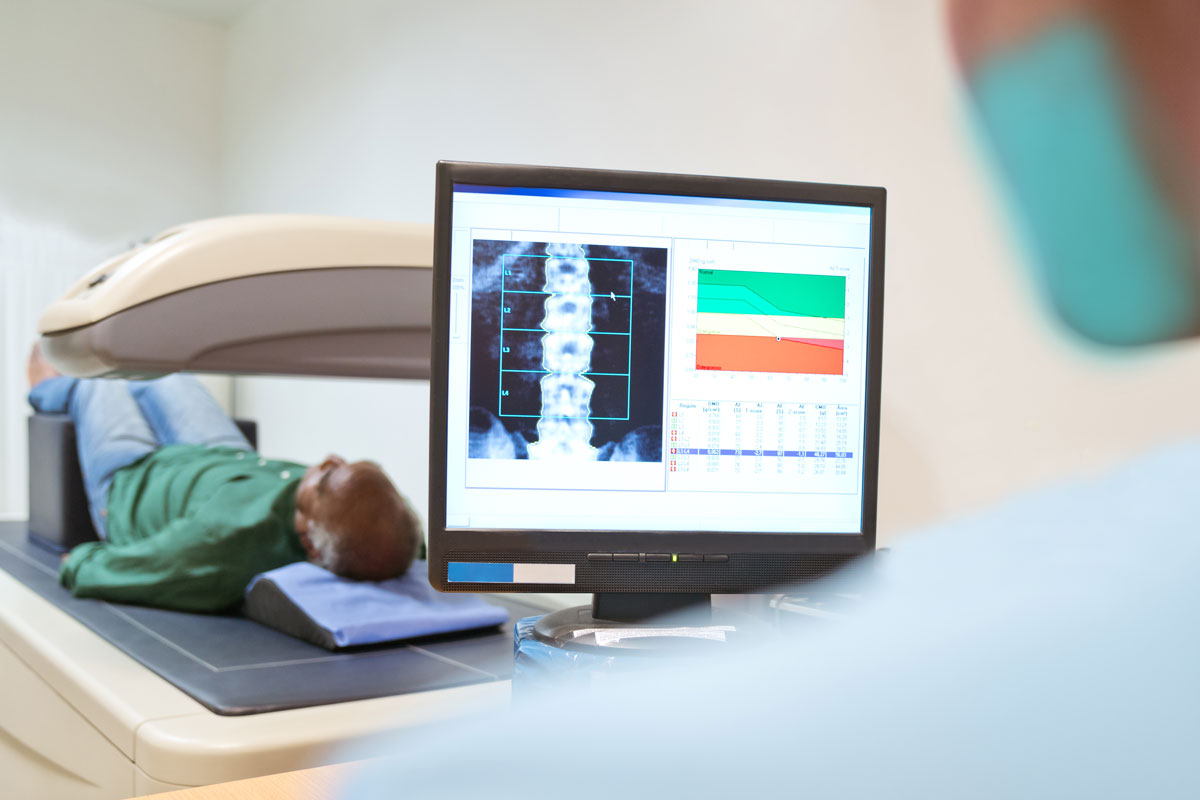
Why Bone Density Tests May No Longer Be Necessary for Seniors: A Letter from an Orthopedic Doctor
As we age, our health needs change—especially when it comes to our bones. Traditionally, bone mineral density (BMD) tests have been used to detect osteoporosis and predict fracture risk. However, for seniors aged 50 and above, new insights suggest that focusing on fracture prevention through safety and lifestyle changes may be far more beneficial than relying on bone scans alone.
In this article, we explore why bone density scans may not be necessary for the elderly, the science behind fracture risk, and the practical steps seniors can take to live safely and independently.
Why Bone Density Testing Isn’t Recommended for the Elderly
Age Equals Osteoporosis
Osteoporosis is characterized by low bone mass and deterioration of bone tissue. While BMD tests (such as DEXA scans) can detect osteoporosis, research shows that most seniors already meet the criteria by default.
According to the National Osteoporosis Foundation, about 50% of women and 25% of men aged 50 and older will break a bone due to osteoporosis. At this age, bone density has usually decreased significantly, and the test results rarely change the treatment approach.
The Fracture Risk Formula
Fracture risk increases not just because bones are brittle, but because of how forces interact with the skeleton. A simple equation helps explain it:
Fracture Risk = Impact Force / Bone Density
As we age, the denominator (bone density) decreases, making even small accidents potentially catastrophic. Therefore, preventing falls becomes the most important factor—not just identifying low bone density.
The Golden Rule: “Be Careful, Be Cautious, Be Alert”
Your bones are not the only concern—your environment and behavior matter equally. Here are life-saving tips for seniors to prevent injuries, especially fractures.
1. Avoid Climbing or Reaching High
Do not use stools or chairs to reach for items, even low-hanging ones. Instead, use assistive tools like reachers or ask for help. Most falls happen during routine household tasks.
2. Stay Indoors on Rainy Days
Wet surfaces increase the risk of slipping. If you don’t need to go out, especially when it’s raining, stay safe indoors. Invest in slip-resistant footwear if you must go out.
3. Banish Bathroom Hazards
Bathrooms are the most dangerous places in the house for seniors.
- Use non-slip mats
- Install grab bars near the toilet and shower
- Ensure adequate lighting
- Use a seated toilet rather than a squat toilet
According to a CDC report, over 230,000 people over age 65 are treated in emergency rooms each year for injuries suffered in the bathroom.
4. Safer Dressing Habits
Never stand while putting on undergarments or pants. For women, avoid dressing in the bathroom. Instead, sit on a bed or chair in a well-lit room. This one change can drastically reduce the chance of hip fractures.
5. Night-time Precautions
Getting up at night to use the restroom can be dangerous:
- Always turn on a nightlight or lamp
- Sit at the edge of the bed for 3–4 minutes before standing
- Avoid locking the bathroom door—especially at night
- Consider installing a panic bell for emergencies
6. Declutter Your Living Space
Before going to bed, clear the floor of shoes, electrical cords, and rugs. Most falls happen when trying to move in low-light or cluttered areas.
7. If You Must Fall, Protect Your Hips
Training your body to instinctively break a fall with your hands is safer than landing directly on your hip. A broken wrist is far easier to recover from than a broken hip.
8. Consistent Exercise Improves Balance and Strength
Walking, tai chi, and resistance exercises can significantly improve muscle tone, coordination, and balance—factors that help prevent falls.
A 2017 meta-analysis in The BMJ found that fall-prevention exercises reduced the rate of falls by 23% in older adults.
9. Maintain a Healthy Weight
Being underweight increases your risk of bone loss and fractures. On the other hand, obesity increases your risk of mobility-related accidents.
Women should especially maintain a BMI between 18.5–24.9 to avoid increased fracture risks.
10. Eat Right, Stop Before Full
Nutrition is crucial for bone and muscle health. Practice “hara hachi bu”, a Japanese phrase meaning “eat until 80% full,” to avoid overeating and obesity-related joint strain.
11. Nutrition Over Supplements
Focus on food-based calcium rather than pills, unless prescribed.
Top bone-building foods:
- Dairy (milk, yogurt, cheese)
- Tofu and soy products
- Leafy greens (bok choy, kale)
- Sardines (with bones)
- Bananas (contain potassium which reduces bone loss)
A 2020 Cochrane review confirmed that dietary calcium was as effective as supplements in preventing bone loss in older adults.
12. Get Sunlight, Not Just Supplements
Vitamin D helps your body absorb calcium, and sunlight exposure is the best way to get it.
Spend 15–30 minutes a day in morning sun (before 10 a.m.), exposing arms and legs without sunscreen. If you’re housebound, ask your doctor about safe vitamin D supplementation.
13. Install Grab Bars and Anti-slip Measures
Safety tools like handrails, non-slip socks, and rubber mats can turn your house into a fall-proof sanctuary. Minor modifications can prevent major injuries.
14. Don’t Stand for Too Long
Avoid standing in one place for extended periods. Sitting down regularly reduces fatigue and the risk of collapsing due to dizziness or weak knees.
15. Caregivers Must Read This Too
If you’re a caregiver, you play a vital role. Learn and apply these preventive strategies. Encourage your loved one to be cautious, not stubborn.
The Real Cost of a Fall
One bad fall can take away a decade of life through surgery, hospitalizations, or immobility. Hip fractures in the elderly carry a 25% one-year mortality rate, according to research from the Journal of the American Geriatrics Society.
Prevention is far better than treatment.
Final Thoughts: Prevention Is the Best Medicine
While bone density tests once served an important purpose, for seniors above 50, daily habits and home safety make a much greater difference. Don’t wait until after a fall to make changes.
Remember these seven golden words:
“Be careful. Be cautious. Be alert.”
They might just save your life—or that of someone you love.
Keywords for SEO: osteoporosis prevention, senior fall safety, bone density in elderly, fracture prevention tips, elderly health advice, vitamin D and bones, calcium-rich foods for seniors, avoid hip fractures, safe home for elderly, orthopedic advice seniors.
