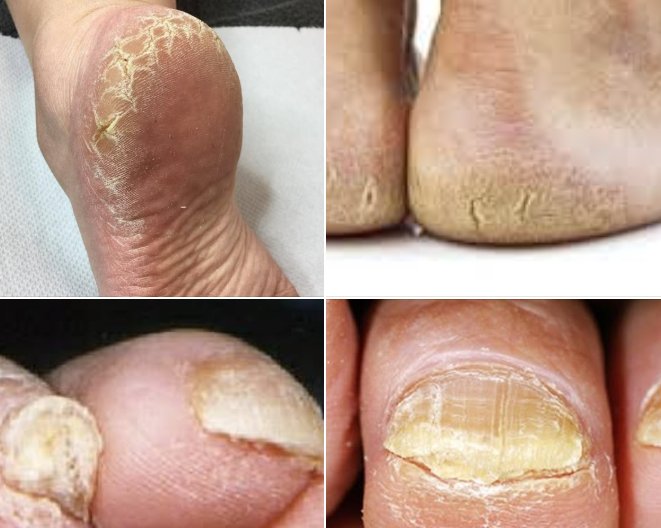
It’s common to overlook our feet. Tucked away at the furthest point from our eyes, they often don’t receive the attention they deserve. Yet, the condition of our feet, from cracked heels to discolored nails, can be a significant indicator of our overall internal health. Many dismiss these issues as mere cosmetic nuisances, opting for temporary fixes like pedicures or topical creams. While these might offer fleeting relief, they fail to address the root cause, leading to recurring problems.
Beyond the Surface: Why Foot Problems Persist
The common issues we see – severely cracked skin, thickened calluses, yellowed and misshapen nails – are more than just superficial. They are often symptoms of underlying systemic imbalances. Many people mistakenly believe a pedicure will solve their problems. While a good pedicure can clean and temporarily improve the appearance, the issues tend to resurface quickly. Similarly, topical creams, while providing temporary comfort, rarely offer a lasting solution.
Let’s delve into the science behind why these problems occur and why simple external treatments fall short.
The Biology of Your Nails and Skin
Our nails are primarily composed of keratin, a protein produced by the nail matrix (the “root” of the nail). As we age, the body’s natural repair and renewal processes slow down. This deceleration is often linked to issues with our blood circulation.
Imagine your body as a bustling city. Nutrients, oxygen, and “repair crews” are transported through blood vessels (the roads), while waste products are removed by the lymphatic system (the garbage trucks). When blood vessels narrow – a condition known as arteriosclerosis or atherosclerosis – the flow of essential resources to the extremities, like your feet, becomes restricted and sluggish. This means less oxygen and fewer nutrients reach the cells, impairing their ability to regenerate and repair effectively.
Concurrently, if the lymphatic system isn’t functioning optimally, it struggles to efficiently clear out cellular waste and damaged cells. Think of it like this: you’re generating a lot of trash (cellular waste) quickly, but the garbage trucks (lymphatic system) are slow and few, and the roads (blood vessels) are congested. Naturally, waste starts to pile up, leading to a buildup of dead cells and debris. This accumulation manifests as thickened skin, calluses, and discolored, misshapen nails. The body, in an attempt to protect itself from this buildup and lack of efficient waste removal, often produces more keratin, leading to the thickening we observe.
The Connection to Systemic Health
This analogy highlights a crucial point: when your internal “roads” (blood vessels) are narrow and your “garbage disposal system” (lymphatic system) is struggling, it’s a clear sign of systemic issues. This is why older generations often say, “You can tell a woman’s internal health by looking at her feet.” While this might sound anecdotal, there’s a strong physiological basis for it.
Individuals suffering from chronic conditions such as diabetes, high blood pressure (hypertension), and kidney disease are particularly prone to severe foot problems. These conditions significantly contribute to impaired circulation and increased cellular waste.
- Diabetes: High blood sugar levels can damage nerves (neuropathy) and blood vessels (angiopathy), leading to poor circulation and reduced sensation in the feet. This makes individuals highly susceptible to infections, slow-healing wounds, and severe thickening of skin and nails.
- High Blood Pressure: Chronic hypertension can stiffen and narrow arteries, further impeding blood flow to the extremities.
- Kidney Disease: The kidneys play a vital role in filtering waste from the blood. Impaired kidney function means more toxins and waste products remain in the body, contributing to systemic inflammation and poor tissue health, including in the feet.
In these conditions, the sheer volume of “cellular waste” is often overwhelming for an already compromised circulatory and lymphatic system, exacerbating the issues of thickened skin and nails.
The Search for a Lasting Solution: Beyond Quick Fixes
Given the systemic nature of these foot problems, it’s clear that a lasting solution requires more than just topical treatments. Many seek quick fixes, hoping a two-sentence tip will magically resolve years of underlying issues. This mindset, unfortunately, leads to perpetual frustration and no real progress.
True healing and improvement of foot health necessitate an intensive and holistic rehabilitation process. This isn’t about mere aesthetics; it’s about addressing the fundamental health of your internal systems.
Modern Research: Supporting a Holistic Approach
Recent scientific research strongly supports the link between systemic health and foot conditions. Studies increasingly point to the importance of microcirculation – the blood flow through the smallest blood vessels – in maintaining healthy skin and nails.
- Endothelial Dysfunction: Research in cardiology and vascular medicine frequently highlights endothelial dysfunction (damage to the inner lining of blood vessels) as a precursor to many circulatory problems. This dysfunction can reduce the elasticity of blood vessels and impair their ability to dilate, thus limiting blood flow to the extremities.
- Oxidative Stress and Inflammation: Chronic inflammation and oxidative stress (an imbalance between free radicals and antioxidants in the body) are implicated in the progression of many chronic diseases, including those that affect circulation and cellular health. These factors contribute to the “piling up of trash” analogy by damaging cells and impairing their repair mechanisms.
- Nutritional Deficiencies: Modern research also emphasizes the role of specific nutrients in maintaining vascular integrity and reducing inflammation. Deficiencies in vitamins like C, E, and B-complex, as well as minerals like zinc and magnesium, can negatively impact collagen production, immune function, and circulatory health, all of which are crucial for healthy skin and nails.
- Gut Microbiome: Emerging research is even connecting gut health to systemic inflammation and immune function, which indirectly impacts skin and nail health. An imbalanced gut microbiome can contribute to “leaky gut,” allowing toxins into the bloodstream and triggering inflammatory responses throughout the body.
A Holistic Program for Foot Health: Diet and Lifestyle
Based on these insights, a comprehensive program to address persistent foot problems must focus on improving internal health. This includes:
1. Dietary Interventions: Fueling Your Body for Repair
Diet plays a pivotal role in promoting healthy circulation, reducing inflammation, and optimizing cellular function.
- Embrace an Anti-Inflammatory Diet:
- Prioritize Whole Foods: Focus on unprocessed foods like fresh fruits, vegetables, lean proteins, and whole grains. These provide essential vitamins, minerals, and fiber.
- Increase Omega-3 Fatty Acids: Found in fatty fish (salmon, mackerel, sardines), flaxseeds, chia seeds, and walnuts, Omega-3s are powerful anti-inflammatory agents that can improve blood vessel health and fluidity.
- Include Antioxidant-Rich Foods: Berries, dark leafy greens (spinach, kale), colorful vegetables, and green tea are packed with antioxidants that combat oxidative stress and protect cells from damage.
- Limit Processed Foods, Sugars, and Refined Carbohydrates: These contribute to inflammation, oxidative stress, and can exacerbate conditions like diabetes, directly impacting vascular health.
- Reduce Saturated and Trans Fats: Found in red meat, dairy products, and many processed snacks, these can contribute to plaque buildup in arteries.
- Stay Hydrated: Adequate water intake is crucial for maintaining blood volume and lymphatic flow, aiding in waste removal.
- Specific Nutrients for Foot Health:
- Vitamin C: Essential for collagen production (a key component of skin and blood vessels) and a potent antioxidant. Found in citrus fruits, bell peppers, broccoli.
- Vitamin E: Another powerful antioxidant that can protect cell membranes and improve circulation. Found in nuts, seeds, and leafy greens.
- B Vitamins (especially B3, B6, B12, and Folate): Crucial for nerve function, energy metabolism, and red blood cell formation, all of which impact circulatory health. Found in whole grains, legumes, lean meats.
- Zinc: Important for immune function, wound healing, and cell division. Found in nuts, seeds, legumes, and meat.
- Magnesium: Involved in over 300 biochemical reactions, including muscle and nerve function, and can help relax blood vessels. Found in leafy greens, nuts, seeds, whole grains.
2. Rest and Recovery: Supporting Body Repair Mechanisms
Chronic stress and lack of sleep can impair the body’s natural healing processes and exacerbate inflammation. Prioritizing adequate, quality sleep (7-9 hours per night) and incorporating stress-reducing activities like meditation, yoga, or spending time in nature can significantly support overall health and recovery. During sleep, the body actively repairs and regenerates cells, and insufficient rest can hinder these vital processes.
3. Cleansing and Detoxification: Optimizing Internal Systems
“Cleansing the intestinal and blood channels” refers to supporting the body’s natural detoxification pathways.
- Gut Health: A healthy gut microbiome is essential for nutrient absorption and preventing the absorption of toxins. Incorporate fermented foods (yogurt, kimchi, sauerkraut) and prebiotics (fiber-rich foods like oats, bananas, garlic) to nourish beneficial gut bacteria.
- Blood Purification: While the body has its own sophisticated detoxification systems (liver, kidneys), supporting these organs through a nutrient-rich diet, adequate hydration, and limiting exposure to toxins (e.g., processed foods, environmental pollutants) is beneficial. Certain foods like leafy greens, cruciferous vegetables (broccoli, cauliflower), and berries are known to support liver function.
The Transformation: Evidence of Internal Healing
Those who have committed to such intensive programs often report remarkable improvements not only in their feet but in their overall well-being. The anecdotal evidence from your shared experience, where participants in a “program” saw their nails become soft, lose “white streaks,” and appear smooth and well-formed, strongly suggests an improvement in underlying cellular health and circulation. These changes are not just cosmetic; they are a direct reflection of the body’s internal systems beginning to function more optimally.
The Moral: Beyond Beauty, Towards Health
The ultimate moral of this discussion is profound: our goal isn’t merely external beauty, as all will eventually return to the earth in the same state, regardless of our nail appearance. However, the condition of our feet and nails serves as a vital indicator of our internal system’s health.
By prioritizing internal well-being through diet, rest, and supporting our body’s natural cleansing mechanisms, we unlock a cascade of benefits: increased energy, enhanced stamina, improved emotional balance, and a reduced susceptibility to aches and pains. When our internal systems are healthy and functioning optimally, we are better equipped to contribute positively to the world.
So, do you understand? This isn’t just about pretty feet; it’s about a holistic commitment to your health that empowers you to live a more vibrant and fulfilling life. Alhamdulillah, it seems you are quick to grasp this crucial understanding!
