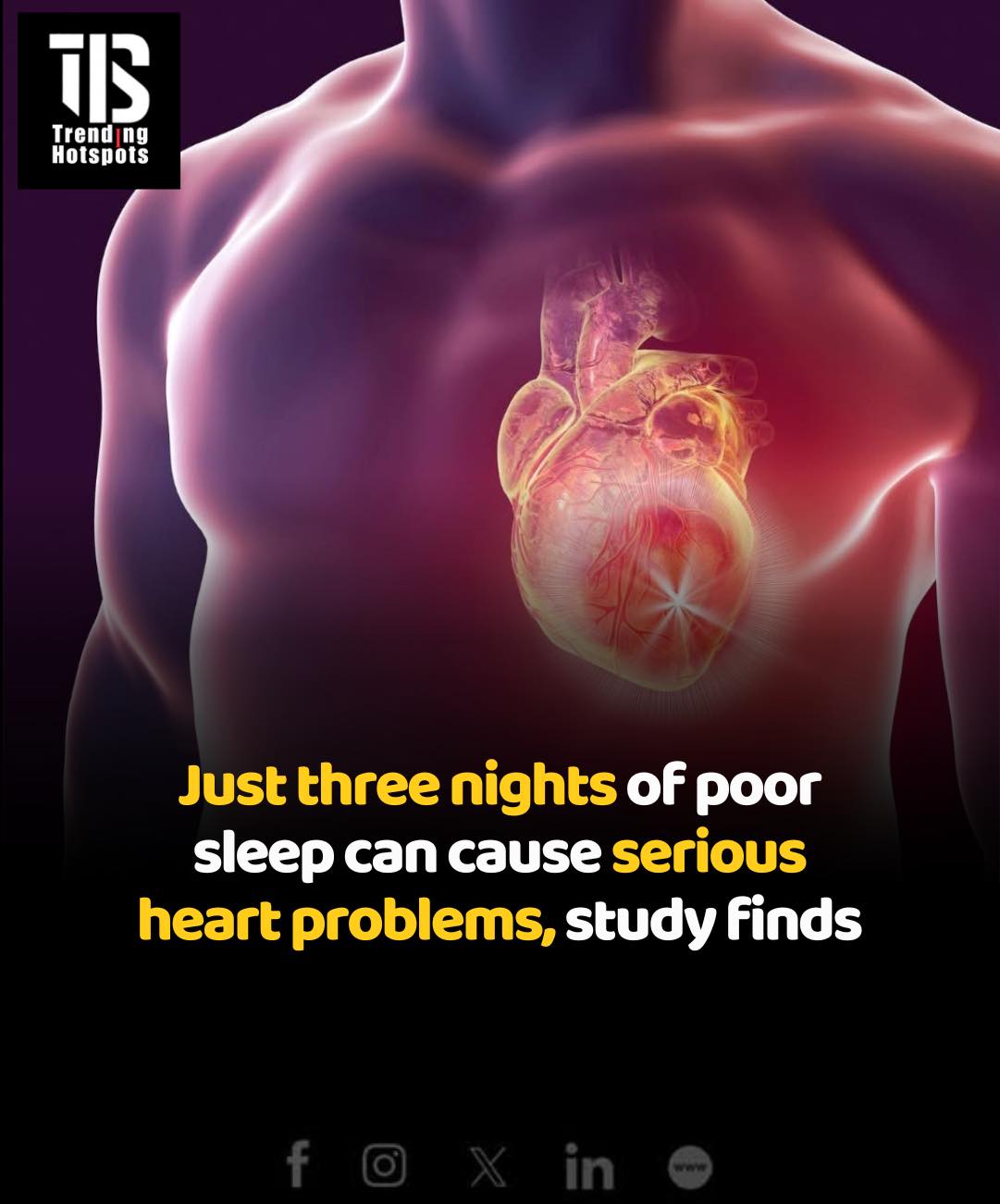
In our relentless pursuit of productivity and success, sleep is often the first sacrifice. We treat it as a luxury, a negotiable commodity that can be trimmed to fit more into our waking hours. However, a growing body of scientific evidence paints a starkly different picture: sleep is not a luxury but a fundamental biological necessity, and its deprivation is a potent saboteur of our health, with the heart bearing one of the heaviest burdens. A recent, alarming study has cast a harsh light on just how quickly this damage can begin, revealing that even a few nights of poor sleep can trigger a cascade of harmful effects on the cardiovascular system.
The study in question found that missing just three nights of sleep can have serious consequences for heart health. Researchers observed that participants who were restricted to approximately 4.25 hours of sleep per night for three consecutive nights exhibited a significant spike in 90 different inflammatory proteins circulating in their blood. Many of these proteins are well-known culprits in the development and progression of severe cardiovascular conditions, including heart failure, coronary artery disease, and atrial fibrillation. Perhaps most unsettling was the discovery that these detrimental changes were not limited to older or at-risk individuals; even young, healthy participants showed clear signs of heart stress, underscoring the universal and immediate danger posed by acute sleep loss.
This article will delve deeper into the intricate relationship between sleep and cardiovascular health, exploring the mechanisms behind the damage, corroborating the findings with other key research, outlining a heart-healthy dietary strategy, and providing actionable tips to reclaim the restorative power of a good night’s sleep.
The Inflammatory Cascade: Unpacking the Initial Study
To understand the gravity of the study’s findings, one must first understand the role of inflammation. Acute, short-term inflammation is a vital part of the body’s healing process. However, when inflammation becomes chronic and low-grade, it turns from a healer into a silent aggressor. In the context of the heart, chronic inflammation is a primary driver of atherosclerosis—the process where plaque, made of fat, cholesterol, and other substances, builds up inside the arteries. This plaque hardens and narrows the arteries, restricting blood flow to the heart muscle. If a piece of this plaque ruptures, it can form a blood clot that leads to a heart attack or stroke.
The proteins identified in the study, such as C-reactive protein (CRP) and various interleukins (like IL-6), are biomarkers of this systemic inflammation. By restricting sleep, even for a short period, the body’s regulatory systems are thrown into disarray, leading to an overproduction of these inflammatory messengers. This creates a pro-inflammatory state that directly threatens vascular health.
- Coronary Artery Disease (CAD): The increase in inflammatory proteins accelerates the formation of atherosclerotic plaques, which is the hallmark of CAD.
- Heart Failure: Chronic inflammation can damage the heart muscle over time, impairing its ability to pump blood effectively, a condition known as heart failure.
- Atrial Fibrillation (AFib): Inflammation can also affect the heart’s electrical system, leading to irregular and often rapid heart rhythms like AFib, which significantly increases the risk of stroke.
The fact that this inflammatory response was observed in young, healthy individuals after only three nights is a critical warning. It demonstrates that the damage is not the result of decades of poor habits but can begin almost immediately, setting a dangerous precedent for future cardiovascular events.
The Domino Effect: How Sleep Deprivation Wreaks Systemic Havoc
The effects of poor sleep are not confined to inflammation. Sleep deprivation triggers a multi-pronged assault on the body’s systems, creating a perfect storm for cardiovascular disease.
1. The Hormonal Disruption:
Sleep is a crucial period for hormonal regulation.14 When it is curtailed, a hormonal imbalance ensues.
- Cortisol: Known as the “stress hormone,” cortisol levels naturally dip at night to allow the body to rest and repair. Sleep deprivation prevents this dip, leading to elevated cortisol levels. Chronically high cortisol keeps the body in a state of high alert, increasing heart rate, blood pressure, and strain on the entire cardiovascular system.
- Insulin: Inadequate sleep has been shown to decrease insulin sensitivity. This means the body’s cells don’t respond as effectively to insulin, forcing the pancreas to work harder to produce more. Over time, this can lead to insulin resistance, a precursor to type 2 diabetes. Diabetes itself is a major risk factor for heart disease, as high blood sugar levels can damage blood vessels and the nerves that control the heart.
- Ghrelin and Leptin: Sleep also regulates the hormones that control appetite. Sleep deprivation causes an increase in ghrelin, the hormone that signals hunger, and a decrease in leptin, the hormone that signals fullness. This hormonal imbalance leads to increased cravings for high-calorie, sugary, and fatty foods, promoting overeating, weight gain, and obesity—another significant contributor to heart disease.
2. The Autonomic Nervous System Imbalance:
Our body has two main nervous system branches: the “rest-and-digest” parasympathetic system and the “fight-or-flight” sympathetic system. During healthy sleep, the parasympathetic system is dominant, allowing the heart rate and blood pressure to fall (a phenomenon known as nocturnal dipping). Sleep deprivation keeps the sympathetic nervous system in overdrive. This means your heart rate and blood pressure remain elevated for more hours of the day, placing constant, unrelenting stress on your heart and arteries, which can lead to hypertension (high blood pressure) over time.
Corroborating Evidence: A Broader Look at Sleep Research
The link between sleep and heart health is not based on a single study but is supported by decades of extensive research.
- The Whitehall II Study: This large-scale observational study of British civil servants found that individuals who reduced their sleep from seven hours to five hours or less per night had a nearly doubled risk of death from cardiovascular disease. This highlights the long-term, cumulative danger of chronic sleep restriction.
- Research on Sleep Apnea: Obstructive Sleep Apnea (OSA) is a condition where breathing repeatedly stops and starts during sleep. Each episode causes a drop in blood oxygen levels and a surge in blood pressure as the body struggles to breathe. This places immense strain on the heart. Studies have overwhelmingly shown that untreated OSA is a major independent risk factor for high blood pressure, heart attack, stroke, and AFib. This research underscores that the quality of sleep is just as important as the quantity.
- The U-Shaped Curve: Interestingly, research also points to a “U-shaped” relationship between sleep duration and cardiovascular risk. While sleeping less than six hours is consistently linked to poor outcomes, some studies also suggest that consistently sleeping more than nine hours per night may also be associated with an increased risk of heart disease. While the mechanisms are less clear, it may be that long sleep duration is a marker for other underlying health issues, such as poor sleep quality, depression, or low physical activity. The general consensus points to a “sweet spot” of 7 to 9 hours of quality sleep per night for most adults.
Fortifying Your Defenses: The Role of a Heart-Healthy Diet
While improving sleep is paramount, your dietary choices can either support or sabotage your efforts. A heart-healthy diet works synergistically with good sleep to reduce inflammation, control blood pressure, and maintain a healthy weight. The Mediterranean Diet is often cited as the gold standard for cardiovascular health.
Key Components of a Heart- and Sleep-Friendly Diet:
- Omega-3 Fatty Acids: These fats are powerful anti-inflammatory agents. Find them in fatty fish like salmon, mackerel, and sardines, as well as in walnuts, flaxseeds, and chia seeds.
- Magnesium: This essential mineral plays a role in over 300 bodily processes, including calming the nervous system, regulating blood pressure, and aiding the production of melatonin, the sleep hormone. Excellent sources include leafy green vegetables (spinach, kale), nuts (almonds, cashews), seeds (pumpkin, sesame), and legumes.
- Potassium: Crucial for managing blood pressure, potassium helps balance sodium levels in the body. It’s abundant in fruits and vegetables like bananas, oranges, avocados, sweet potatoes, and tomatoes.
- Antioxidants and Phytonutrients: Found in colorful fruits, vegetables, and whole grains, these compounds combat oxidative stress and inflammation. Aim to “eat the rainbow” by including berries, dark leafy greens, bell peppers, and broccoli in your daily diet.
- Lean Protein and Fiber: A diet rich in fiber from whole grains, legumes, and vegetables, paired with lean protein sources like chicken, fish, and tofu, helps stabilize blood sugar levels throughout the day, preventing energy crashes and late-night cravings for unhealthy foods.
Foods and Substances to Limit, Especially Before Bed:
- Caffeine: A stimulant with a long half-life, caffeine can interfere with your ability to fall asleep and can disrupt the deep, restorative stages of sleep. Avoid coffee, tea, soda, and even chocolate for at least 6-8 hours before bedtime.
- Alcohol: While alcohol may induce a feeling of drowsiness and help you fall asleep faster, it is highly disruptive to sleep later in the night. It suppresses REM sleep, essential for memory and mood regulation, and often leads to waking up in the middle of the night as its sedative effects wear off.
- Heavy, Fatty, or Spicy Meals: Eating a large meal close to bedtime can cause indigestion, heartburn, and discomfort, making it difficult to sleep. The body has to work hard to digest, which can raise your core body temperature when it should be dropping to facilitate sleep.
- Refined Sugars and Carbohydrates: Foods like pastries, white bread, and sugary snacks can cause a rapid spike and subsequent crash in blood sugar levels, which can disrupt sleep patterns and trigger awakenings during the night.
Building a Sleep Sanctuary: Actionable Tips for Restorative Rest
Improving sleep is not about trying harder to sleep; it’s about creating the right conditions for sleep to happen naturally. This is often referred to as practicing good “sleep hygiene.”
1. Optimize Your Environment:
Your bedroom should be a sanctuary for sleep and intimacy only.
- Go Dark: Melatonin production is highly sensitive to light. Use blackout curtains, wear an eye mask, and cover or remove any electronics with glowing lights.
- Stay Cool: The body’s core temperature needs to drop slightly to initiate sleep. The ideal bedroom temperature is generally considered to be between 16-19°C (60-67°F).
- Keep it Quiet: Unpredictable noises can easily disrupt sleep. Use earplugs, a white noise machine, or a fan to mask external sounds.
2. Cultivate Healthy Habits and Routines:
Consistency is key to regulating your body’s internal clock, or circadian rhythm.
- Stick to a Schedule: Go to bed and wake up at the same time every day, even on weekends. This reinforces your natural sleep-wake cycle.
- Create a Wind-Down Ritual: In the hour before bed, engage in calming activities. This could include reading a physical book (not on a screen), taking a warm bath or shower, listening to calming music, gentle stretching, or practicing meditation or deep breathing exercises. This signals to your brain that it’s time to prepare for sleep.
- Implement a Digital Curfew: The blue light emitted by phones, tablets, and computers is particularly potent at suppressing melatonin. Put all screens away at least 60-90 minutes before your intended bedtime.
- Get Morning Sunlight: Exposure to natural sunlight shortly after waking up is one of the most powerful ways to anchor your circadian rhythm. It signals to your body that the day has begun, which helps regulate the timing of melatonin release in the evening.
- Exercise Regularly, But Wisely: Regular physical activity is fantastic for sleep quality. However, avoid intense exercise within 2-3 hours of bedtime, as it can raise cortisol and core body temperature, making it harder to fall asleep.
3. When to Seek Professional Help:
If you consistently struggle with sleep despite implementing these strategies, it may be time to consult a doctor. You could have an underlying sleep disorder like sleep apnea or insomnia that requires medical intervention.
Conclusion: Sleep as the Ultimate Form of Self-Care
The evidence is clear and compelling: good sleep is not an indulgence but a non-negotiable pillar of cardiovascular and overall health. The notion that we can “get by” on a few hours of sleep is a dangerous fallacy. As the latest research shows, the damage starts quickly, silently laying the groundwork for future disease by flooding our bodies with inflammatory proteins, disrupting our hormones, and putting relentless strain on our hearts.
Viewing sleep as a passive state of inactivity is a profound misunderstanding of its function. It is during these precious hours that our bodies perform their most critical repair and restoration work. By prioritizing a consistent 7-9 hours of quality sleep, we are not losing time; we are investing in our vitality, our mental clarity, and our longevity. In a world that glorifies busyness, the most powerful act of self-care and disease prevention may just be the simple, nightly discipline of turning off the lights and allowing your body the time it desperately needs to heal and protect its most vital organ: your heart.
