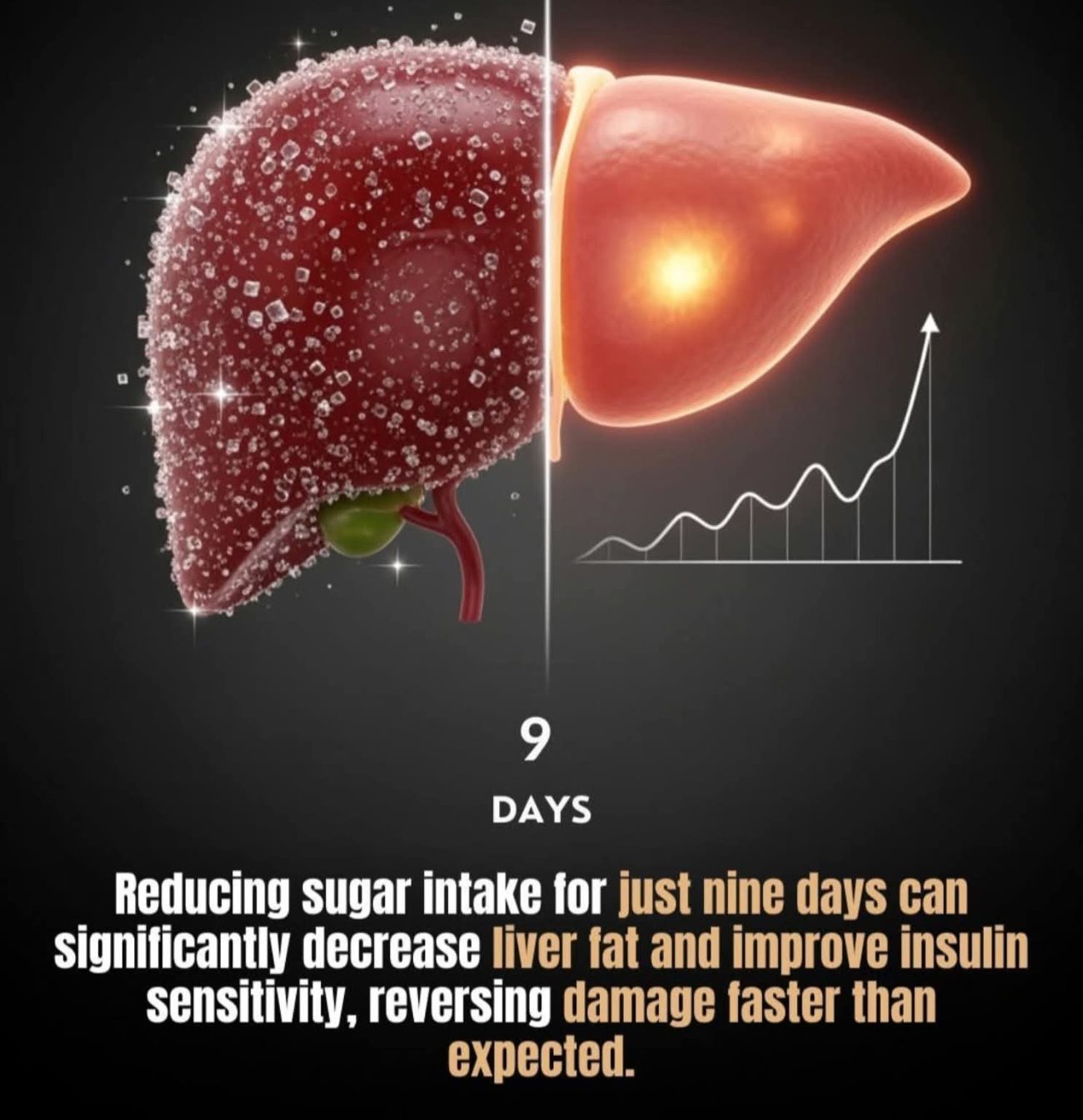
In our modern world, we are inundated with health advice that often promises slow, incremental progress. But what if a significant, measurable improvement in your metabolic health could be achieved in just over a week? Groundbreaking scientific research reveals that dramatically reducing your sugar intake for as little as nine days can have a profound and rapid positive impact on your liver function and insulin sensitivity, setting the stage for long-term wellness.
This isn’t a fad diet or a temporary fix. It is a targeted nutritional intervention based on a deep understanding of how our bodies, particularly the liver, process sugar. The rise of metabolic diseases like Non-Alcoholic Fatty Liver Disease (NAFLD), type 2 diabetes, and obesity is inextricably linked to the overconsumption of added sugars, especially fructose. By understanding the mechanism of harm and the science behind the solution, we can unlock the body’s remarkable ability to heal itself.
This article will delve into the science behind the 9-day sugar reduction, explore the latest research, outline effective dietary strategies and supportive supplements, and provide a practical guide to reclaiming your metabolic health.
The Modern Epidemic: How Sugar Overloads the Liver
The liver is the body’s metabolic powerhouse, responsible for over 500 vital functions, including filtering toxins, producing bile for digestion, and, crucially, managing nutrient metabolism. While it can handle natural sugars from whole foods like fruits in moderation, it is ill-equipped to manage the constant deluge of added sugars and high-fructose corn syrup found in processed foods, sweetened beverages, and desserts.
The primary culprit in liver damage from sugar is fructose. Unlike glucose, which can be used by virtually every cell in the body for energy, fructose is almost exclusively metabolized by the liver. When the liver is overwhelmed with fructose, it triggers a process called de novo lipogenesis (DNL), which literally means “making new fat.”
The Mechanism of Fatty Liver (NAFLD):
- Fructose Overload: You consume a soda, a sweetened yogurt, or a processed meal high in added sugar. The fructose component travels directly to the liver.
- Conversion to Fat: The liver’s capacity to store fructose as glycogen is extremely limited. The excess is rapidly converted into triglycerides (a type of fat).
- Fat Accumulation: These newly formed triglycerides begin to accumulate in liver cells (hepatocytes). This buildup is the hallmark of Non-Alcoholic Fatty Liver Disease (NAFLD).
- Insulin Resistance: A liver clogged with fat cannot function efficiently. It becomes resistant to the signals of insulin, the hormone that tells cells to absorb glucose from the blood. The pancreas compensates by pumping out even more insulin, leading to high insulin levels (hyperinsulinemia) and creating a vicious cycle that promotes more fat storage.
When this process is stopped—by cutting off the excessive supply of sugar—the liver can immediately begin to reverse the damage. It switches from storing fat to burning its stored fat for energy. This not only reduces the fat in the liver but also dramatically improves its sensitivity to insulin.
The Scientific Proof: Rapid Reversal in Just 9 Days
The claim that significant change can happen in nine days is not an exaggeration; it is backed by robust scientific evidence.
The Landmark UCSF Study (Lustig, Stanislas et al., 2015 & 2016)
One of the most compelling studies was conducted at the University of California, San Francisco (UCSF) on obese children with metabolic syndrome. For nine days, researchers replaced the added sugars in the children’s diets with other carbohydrates (like starches from bagels and pizza) so that their total calorie and fat intake remained exactly the same. The goal was to isolate the effect of sugar alone. The results were astounding:
- Liver Fat Reduction: On average, liver fat decreased by a remarkable 22%.
- Improved Insulin Sensitivity: Insulin sensitivity improved by 56%, and fasting insulin levels dropped significantly.
- Reduced Lipogenesis: The rate of de novo lipogenesis fell by nearly 50%.
- Better Cholesterol Profile: Harmful LDL cholesterol and triglyceride levels also decreased.
This study powerfully demonstrated that the harmful effects were due to the sugar itself, not just the excess calories. The liver began healing almost immediately once the toxic load was removed.
Recent Supporting Research (Chiu et al., 2020 & Beyond)
Further research has continued to validate these findings. A study published in the Journal of Hepatology by Chiu et al. (2020) found that a low-fructose diet led to a rapid and significant reduction in intrahepatic lipid (fat inside the liver) in just one to two weeks. This confirms the swiftness with which the liver can recover.
More recent studies continue to build on this foundation. A 2023 meta-analysis in Nutrients reviewed multiple clinical trials and concluded that dietary interventions reducing free sugar intake are highly effective in reducing liver fat in adults with NAFLD, independent of weight loss. This reinforces the principle that targeting sugar is a primary and potent strategy for liver health.
The Far-Reaching Effects of Reducing Sugar
When you commit to reducing sugar, the benefits extend far beyond just your liver. It creates a positive ripple effect throughout your entire body.
- Reversal of Early-Stage NAFLD: By decreasing liver fat, you halt the progression of NAFLD and can even reverse it. This significantly lowers your risk of developing more severe conditions like non-alcoholic steatohepatitis (NASH), cirrhosis, and liver cancer.
- Enhanced Blood Sugar Control: With improved insulin sensitivity, your body becomes far more efficient at managing blood glucose. This can stabilize energy levels, reduce cravings, and dramatically lower the risk of developing type 2 diabetes. For those who are pre-diabetic, it can be a path back to normal blood sugar regulation.
- Improved Cardiovascular Health: High sugar intake, particularly fructose, is a major driver of high triglycerides and unfavorable LDL cholesterol patterns. Reducing sugar helps normalize these blood lipids, lowering your risk for heart disease and stroke.
- Weight Management: While the UCSF study was isocaloric (calories stayed the same), in the real world, cutting out high-sugar, low-satiety foods often leads to a natural reduction in overall calorie intake. Furthermore, stabilizing blood sugar and insulin levels helps regulate hunger hormones like ghrelin and leptin, making it easier to manage appetite and lose weight.
- Increased Energy and Mental Clarity: The rollercoaster of blood sugar spikes and crashes caused by high sugar intake leads to energy slumps and brain fog. A low-sugar diet provides stable, sustained energy, leading to better focus, concentration, and mood.
Modern Dietary Strategies for a Healthy Liver
While a 9-day reset is a powerful catalyst, long-term liver health requires a sustainable dietary approach. The following are evidence-based diets known to be highly beneficial for NAFLD and overall metabolic health.
- The Mediterranean Diet: Consistently ranked as one of the healthiest eating patterns, the Mediterranean diet is rich in anti-inflammatory and antioxidant compounds. It is the most studied and recommended diet for managing NAFLD.
- Core Components: High intake of extra virgin olive oil, vegetables, fruits, nuts, seeds, legumes, and whole grains. Moderate consumption of fish and poultry. Low consumption of red meat and dairy.
- How it Works: The high concentration of monounsaturated fats (from olive oil), omega-3 fatty acids (from fish), and fiber helps reduce inflammation, improve insulin sensitivity, and decrease liver fat.
- Low-Glycemic, Whole-Food Diet: This approach focuses on the quality of carbohydrates rather than eliminating them entirely. It directly counters the effects of high-sugar diets.
- Core Components: Prioritizing complex carbohydrates that are digested slowly, such as non-starchy vegetables, legumes, and whole grains (quinoa, oats, brown rice). It emphasizes lean protein and healthy fats to promote satiety. All processed foods, sugary drinks, and refined grains are eliminated.
- How it Works: By preventing sharp spikes in blood glucose and insulin, this diet reduces the metabolic pressure on the liver and minimizes the triggers for fat storage.
- Low-Carbohydrate or Ketogenic Diets: For some individuals, a more aggressive reduction in all carbohydrates can be highly effective for rapid reduction of liver fat.
- Core Components: Very low carbohydrate intake (typically under 50 grams per day), high fat intake, and moderate protein. This forces the body into a state of ketosis, where it burns fat for fuel.
- How it Works: By minimizing carbohydrate intake, insulin levels plummet. This signals the body to start breaking down stored fat, including the fat in the liver, for energy. Studies have shown these diets can lead to rapid and substantial improvements in NAFLD. However, they can be restrictive and should ideally be undertaken with guidance from a healthcare professional.
Targeted Supplementation for Liver Support
While diet is the cornerstone of liver health, certain supplements can provide additional, targeted support. Always consult with a healthcare provider before starting any new supplement regimen.
- Milk Thistle (Silymarin): Perhaps the most well-known liver supplement, Silymarin is a powerful antioxidant and anti-inflammatory compound. It is thought to protect liver cells from damage and support their regeneration.
- Omega-3 Fatty Acids (EPA & DHA): Found in fish oil, these essential fats are potent anti-inflammatories. Research shows they can significantly reduce liver fat and improve liver enzyme levels in individuals with NAFLD.
- Vitamin E: As a powerful antioxidant, Vitamin E has been shown in clinical trials to reduce inflammation and liver damage specifically in patients with NASH (the more advanced form of fatty liver). It is often recommended for non-diabetic individuals with biopsy-proven NASH.
- Berberine: This bioactive compound, extracted from several plants, has gained significant attention for its metabolic benefits. It has been shown to improve insulin sensitivity, lower blood sugar, and reduce lipid levels, all of which are beneficial for a fatty liver.
- N-Acetylcysteine (NAC): NAC is a precursor to glutathione, the body’s master antioxidant. Supplementing with NAC can help boost glutathione levels, protecting the liver from oxidative stress and supporting its detoxification pathways.
Your 9-Day Liver Reset: A Practical Action Plan
Ready to start? Here is a simple framework for your 9-day challenge.
Phase 1: Days 1-3 (Elimination & Hydration)
- Absolute Elimination: Remove all sources of added sugar. This includes sodas, fruit juices, sweetened coffees/teas, candy, pastries, and most processed/packaged foods. Read labels carefully—sugar hides everywhere (e.g., in ketchup, bread, salad dressings).
- Focus on Whole Foods: Build your meals around lean protein (chicken, fish, eggs, tofu), non-starchy vegetables (leafy greens, broccoli, bell peppers), and healthy fats (avocado, nuts, seeds, olive oil).
- Hydrate: Drink plenty of water. This helps your kidneys and liver flush out metabolic byproducts. Aim for 2-3 liters per day.
Phase 2: Days 4-6 (Nourishing & Rebuilding)
- Introduce Smart Carbs: Add small portions of complex, low-glycemic carbohydrates like quinoa, sweet potatoes, or beans to your meals.
- Emphasize Fiber: Increase your intake of soluble fiber from sources like Brussels sprouts, avocados, and flaxseeds. Fiber helps regulate blood sugar and supports a healthy gut microbiome, which is closely linked to liver health.
- Incorporate Liver-Supportive Foods: Include foods like garlic, onions, cruciferous vegetables (broccoli, cauliflower), and green tea, which contain compounds that support liver detoxification.
Phase 3: Days 7-9 (Consolidation & Lifestyle Integration)
- Mindful Eating: Pay attention to your body’s hunger and fullness cues. You may notice your cravings for sugar have significantly diminished.
- Incorporate Movement: Combine your dietary changes with regular physical activity. Even a 30-minute brisk walk daily can enhance insulin sensitivity and accelerate fat loss from the liver.
- Prioritize Sleep: Aim for 7-9 hours of quality sleep per night. Poor sleep disrupts hormones that regulate appetite and metabolism, undermining your efforts.
Conclusion: A New Beginning for Your Metabolic Health
The evidence is clear and compelling: reducing sugar for as little as nine days is not a gimmick but a potent, science-backed strategy to rapidly decrease liver fat and restore insulin sensitivity. This short intervention can serve as a powerful catalyst, demonstrating your body’s incredible capacity for healing and motivating you to adopt a healthier lifestyle for the long term.
By understanding the damaging mechanisms of excess sugar and embracing a diet rich in whole, unprocessed foods, you can protect your liver, stabilize your blood sugar, and reduce your risk for a host of chronic diseases. The path to metabolic recovery can be faster and more achievable than you think. It begins with one simple, powerful decision: to break free from sugar and give your liver the break it deserves.
Scientific References:
- Lustig, R. H., Mulligan, K., Noworolski, S. M., et al. (2016). Isocaloric fructose restriction and metabolic improvement in children with obesity and metabolic syndrome. Obesity (Silver Spring), 24(2), 453-460. doi:10.1002/oby.21371
- Chiu, S., Schwarz, J. M., Medici, V., et al. (2020). A 2-week-long, isocaloric, low-fructose diet alters the lipidome and decreases intrahepatic lipid in children with obesity and fatty liver. Journal of Hepatology, 72(5), 912-921. doi:10.1016/j.jhep.2019.11.007
- Lee, D., & Lee, J. (2023). Effects of dietary free sugar reduction on body weight and lipid metabolism in patients with nonalcoholic fatty liver disease: A systematic review and meta-analysis. Nutrients, 15(7), 1735. doi:10.3390/nu15071735
