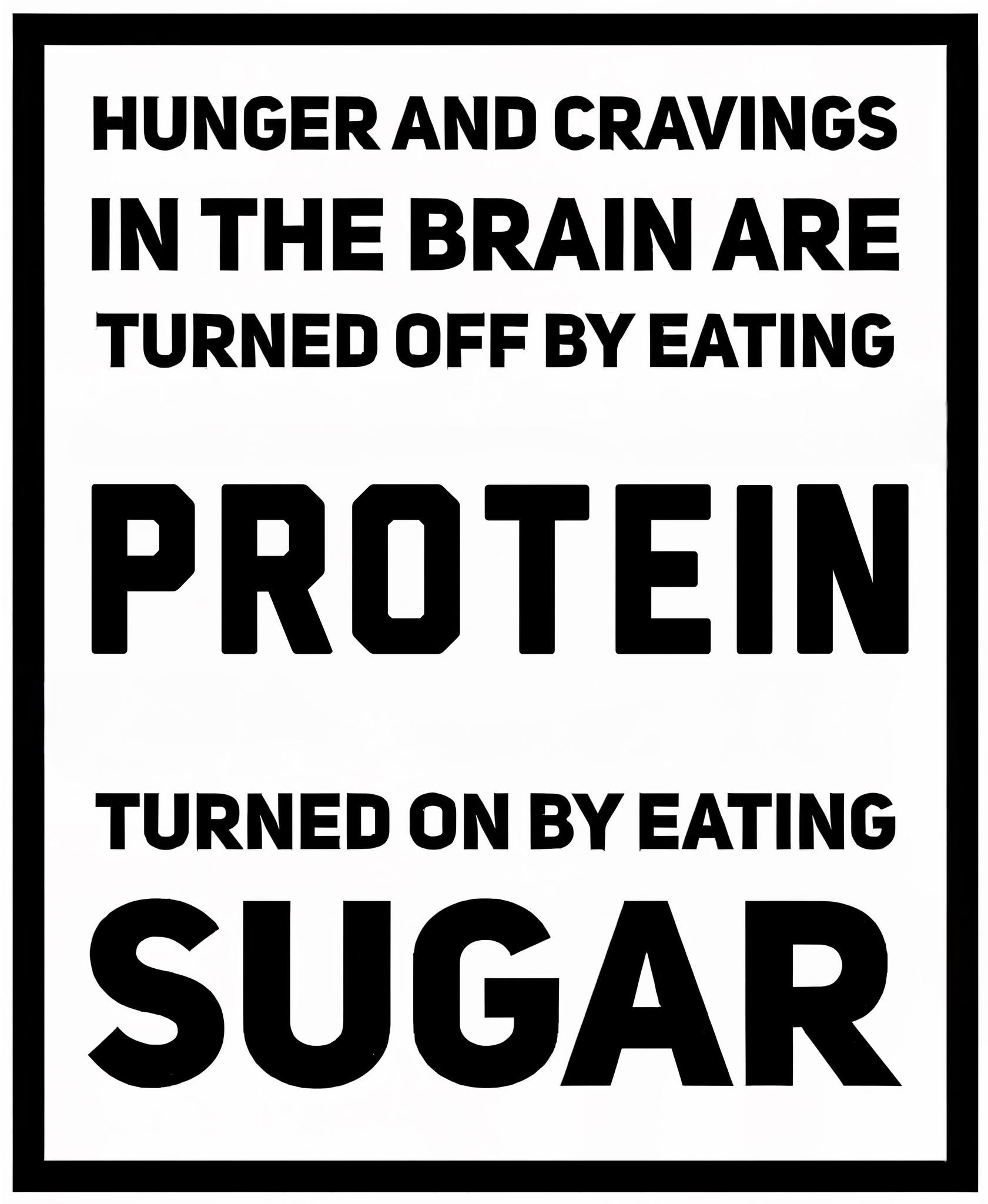
In the intricate dance of human physiology, few elements play as pivotal a role in regulating our hunger and cravings as protein and sugar. These two macronutrients exert distinct and profound influences on our appetite, metabolic responses, and subsequent food choices. Understanding their mechanisms can be a powerful tool for managing weight, stabilizing energy levels, and fostering overall well-being.
This article delves into the fascinating interplay between protein and sugar, examining how they “switch” our hunger cravings, backed by recent scientific research, and offering insights into the best animal and plant-based protein sources for sustained satiety.
The Hunger-Craving Switch: A Hormonal and Metabolic Tug-of-War
Our bodies possess a complex system of hormones and neural pathways that govern hunger and satiety. Two key players in this system are ghrelin, often dubbed the “hunger hormone,” and leptin, the “satiety hormone.” Ghrelin, primarily produced in the stomach, signals to the brain when it’s time to eat, while leptin, secreted by fat cells, informs the brain of sufficient energy stores.
Protein: The Satiety Architect
Protein stands as a formidable ally in the battle against incessant hunger and cravings. Its impact is multifaceted:
- Hormonal Modulation: Protein consumption significantly influences the production and sensitivity of appetite-regulating hormones. It has been shown to suppress ghrelin levels, effectively reducing feelings of hunger. Simultaneously, protein enhances the secretion of satiety-promoting hormones such as glucagon-like peptide-1 (GLP-1), peptide YY (PYY), and cholecystokinin (CCK). These hormones act on the brain to signal fullness and reduce the urge to eat. Recent studies, including a January 2025 review, highlight that a high-protein breakfast can markedly improve satiety and reduce cravings throughout the day, suggesting a shift in protein intake towards earlier meals might be beneficial.
- Thermic Effect of Food (TEF): Protein boasts a higher TEF compared to carbohydrates and fats. This means that a significant portion of the calories from protein is expended in its digestion, absorption, and metabolism. While exact figures vary, it’s estimated that 20-30% of protein calories are burned during this process, making protein a metabolically advantageous nutrient for weight management.
- Sustained Fullness and Blood Sugar Stability: Protein is digested more slowly than carbohydrates, leading to a more gradual release of amino acids into the bloodstream. This sustained digestion contributes to a prolonged feeling of fullness, preventing rapid blood sugar spikes and subsequent crashes that often trigger cravings for sugary or high-carbohydrate snacks. By modulating blood sugar levels, protein helps to avert the “rollercoaster effect” that can lead to energy slumps and heightened cravings.
- Preservation of Lean Muscle Mass: Adequate protein intake is crucial for maintaining and building lean muscle mass. Muscle tissue has a higher metabolic rate than fat tissue, meaning more muscle contributes to higher resting energy expenditure. This can indirectly support weight management by increasing the calories your body burns at rest.
Sugar: The Craving Catalyst
In stark contrast to protein, sugar, particularly refined sugar, often acts as a potent craving catalyst. Its impact on hunger and satiety is characterized by rapid, short-lived effects:
- Rapid Blood Sugar Spikes and Crashes: Sugary foods, especially those high in simple carbohydrates, are quickly digested and absorbed, leading to a rapid surge in blood glucose levels. This spike triggers a significant release of insulin, which works to shuttle glucose into cells. However, this rapid insulin response can often overshoot, leading to a subsequent drop in blood sugar (hypoglycemia). This sudden dip can induce feelings of hunger, fatigue, and irritability, prompting a strong urge to consume more sugary foods to quickly raise blood sugar again, thus perpetuating a vicious cycle of cravings.
- Dopamine Pathways and Reward System: The consumption of sugar activates the brain’s reward pathways, leading to a release of dopamine, a neurotransmitter associated with pleasure and motivation. This creates a highly reinforcing loop, where the brain learns to associate sugar with a pleasurable “hit,” driving the desire for more, similar to addictive substances.
- Limited Satiety: Unlike protein, sugar offers very little in terms of sustained satiety. It lacks the bulk and complex digestive processes that promote long-term fullness. While it provides a quick burst of energy, this energy is fleeting, leaving individuals feeling hungry again shortly after consumption.
- Impact on Leptin Sensitivity: Chronic overconsumption of sugar, particularly in the context of a high-calorie diet, can contribute to insulin resistance and, eventually, leptin resistance. When cells become resistant to leptin’s signals, the brain doesn’t receive the “fullness” message effectively, leading to continued feelings of hunger despite adequate energy stores.
Recent Studies and Emerging Insights
Recent research continues to underscore the profound impact of dietary protein on appetite regulation and weight management.
- A study published in January 2025 highlighted the benefit of a high-protein breakfast, suggesting that consuming around 30 grams of protein at breakfast can significantly enhance satiety and reduce cravings throughout the day. This supports the idea of distributing protein intake more evenly across meals rather than concentrating it solely at dinner.
- Further studies emphasize protein’s role in influencing gut hormones like GLP-1 and PYY, which contribute to a prolonged feeling of fullness. The slower digestion of protein also plays a crucial role in preventing rapid blood sugar fluctuations, a key factor in curbing cravings for unhealthy snacks.
- The concept of the “glycemic index” (GI) also plays a role in understanding the impact of carbohydrates, including sugars, on appetite. Low-GI foods, which cause a slower and more gradual rise in blood sugar, have been consistently shown to improve satiety and reduce subsequent food intake compared to high-GI foods. While the direct link between GI and long-term weight management is still being debated, the short-term benefits on appetite control are well-established. Researchers have demonstrated that low-GI meals increase the production of gut hormones like GLP-1, contributing to a feeling of fullness.
Best Protein Sources for Sustained Satiety
To leverage the hunger-fighting power of protein, incorporating diverse and high-quality sources into your diet is key.
Best Animal Protein Sources:
Animal proteins are generally considered “complete” proteins, meaning they contain all nine essential amino acids that the body cannot produce on its own.
- Lean Meats:
- Chicken Breast: An excellent source of lean protein with minimal fat. Versatile for various dishes.
- Turkey Breast: Similar to chicken, it’s lean, high in protein, and easy to incorporate into meals.
- Lean Beef (e.g., Sirloin, Tenderloin): Rich in highly bioavailable iron, zinc, and B vitamins, along with quality protein. Choose grass-fed options when possible for a better nutrient profile.
- Pork Loin/Tenderloin: Lean cuts of pork can be a great protein source.
- Fish and Seafood:
- Salmon: An outstanding source of protein and heart-healthy omega-3 fatty acids, which also contribute to satiety.
- Tuna: Another excellent and widely available source of protein, particularly good for quick meals.
- Cod, Halibut, and other White Fish: Lean and provide substantial protein with relatively few calories.
- Sardines: Small but mighty, packed with protein, omega-3s, calcium, and vitamin D.
- Dairy Products:
- Greek Yogurt: Thicker and higher in protein than regular yogurt, also provides beneficial probiotics for gut health.
- Cottage Cheese: Low in fat and calories, yet packed with protein, calcium, and B vitamins.
- Eggs: A complete protein, easily digestible, and rich in vitamins, minerals, and healthy fats. Organic, free-range eggs offer superior nutritional benefits.
- Milk (Low-fat): An easy way to add protein to drinks, cereals, or recipes.
Best Plant Protein Sources:
Plant-based proteins can also provide significant satiety and offer additional benefits like fiber and micronutrients. While some individual plant proteins may be “incomplete,” combining various sources throughout the day ensures all essential amino acids are consumed.
- Legumes:
- Lentils: Highly versatile, packed with protein and fiber, making them incredibly filling.
- Chickpeas: Excellent for increasing satiety, versatile in hummus, stews, and salads.
- Black Beans, Kidney Beans, Cannellini Beans: Great sources of protein, complex carbohydrates, and fiber.
- Edamame: Young soybeans, a complete plant protein, often enjoyed steamed or roasted.
- Soy Products:
- Tofu: A versatile complete plant protein made from soybeans, available in various textures.
- Tempeh: Fermented whole soybeans, offering a firmer texture and nutty flavor, also a complete protein.
- Soy Milk: A good plant-based milk alternative with a higher protein content than many other plant milks.
- Grains and Seeds:
- Quinoa: Technically a seed but often used as a grain, it’s a complete protein and rich in fiber.
- Oats: Especially rolled oats, contain a special fiber called beta-glucan, which enhances satiety, along with decent plant protein.
- Hemp Seeds: Provide a complete protein profile, healthy fats, and fiber.
- Chia Seeds: Absorb liquid and expand, contributing to fullness, and are a good source of protein and fiber.
- Pumpkin Seeds: Excellent for snacking or adding to dishes for extra protein and healthy fats.
- Nuts and Nut Butters:
- Almonds, Walnuts, Pistachios: While higher in fat, they offer protein, fiber, and healthy fats that contribute to satiety. Walnuts have been linked to activating brain areas associated with hunger control.
- Peanut Butter, Almond Butter: Quick and easy ways to boost protein intake, especially when paired with fruits or whole-grain toast.
- Other Plant-Based Options:
- Seitan: Made from vital wheat gluten, it’s a very high-protein plant-based meat alternative.
- Nutritional Yeast: A deactivated yeast product, rich in B vitamins and provides a cheesy flavor and some protein.
- Broccoli and other cruciferous vegetables: While not as high in protein as other sources, they contribute fiber and micronutrients, supporting overall satiety.
Conclusion
The evidence overwhelmingly points to protein as a crucial dietary component for managing hunger and cravings. By promoting satiety through hormonal regulation, a higher thermic effect, and sustained blood sugar control, protein helps us feel fuller for longer and reduces the urge to seek out quick energy fixes from sugary foods. In contrast, refined sugars, with their rapid absorption and impact on reward pathways, can trigger a cycle of fleeting satisfaction followed by increased cravings.
By consciously prioritizing diverse and high-quality protein sources, both animal and plant-based, and reducing the intake of refined sugars, individuals can exert greater control over their appetite, stabilize energy levels, and make more informed dietary choices that support long-term health and well-being. The “hunger craving switch” is firmly within our grasp, and understanding the power of protein is the key to flipping it in our favor.
