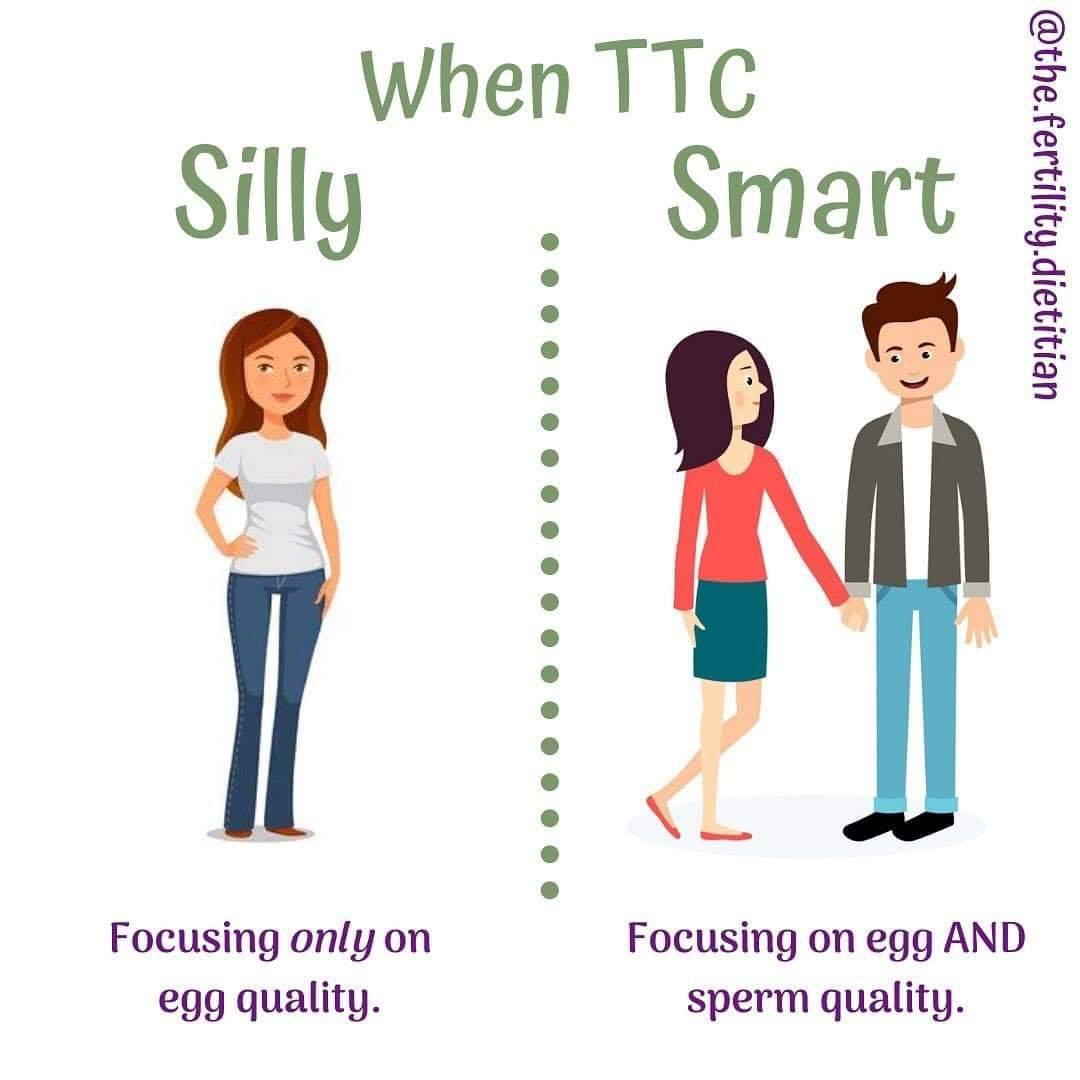
Trying to conceive (TTC) can be an exciting yet emotionally charged period in a couple’s life. For many, getting pregnant happens naturally within a few months, but for others, it may take longer or require medical assistance. Understanding how fertility works, the lifestyle and nutritional factors involved, and when to seek help is crucial to increasing your chances of conception.
In this article, we’ll explore:
- Fertility basics for men and women
- Science-backed strategies to improve your chances of conceiving
- A fertility-friendly diet
- Malaysian statistics and challenges around infertility
Understanding Fertility: Male and Female Factors
Fertility is not just a female issue. According to the World Health Organization (WHO), approximately 48 million couples worldwide experience infertility, and male factors contribute to 40–50% of these cases.
Female Fertility
Women are born with a finite number of eggs. The quality and quantity of eggs decline with age, especially after 35. The most fertile period is usually during the five days leading up to ovulation.
Male Fertility
Men produce sperm continuously, but sperm quality—count, shape, and motility—can be impacted by lifestyle, stress, and environmental toxins.
TTC in Malaysia: The Growing Concern
Infertility is becoming more prevalent in Malaysia. A 2019 report from the National Population and Family Development Board (LPPKN) highlighted that 1 in 6 Malaysian couples face fertility issues, aligning with global trends. The increase is attributed to:
- Later age of marriage and childbearing
- Rising cases of obesity and diabetes
- Environmental toxins and sedentary lifestyles
- Delays in seeking medical advice
Furthermore, a study by Universiti Kebangsaan Malaysia (UKM) revealed that over 70% of Malaysian women only seek fertility treatment after more than one year of trying to conceive.
Lifestyle & Nutrition: Evidence-Based Ways to Boost Fertility
Several peer-reviewed studies have shown that both men and women can significantly improve fertility outcomes through lifestyle adjustments.
🧠 1. Stress Reduction
Chronic stress affects hormone regulation, leading to irregular cycles in women and reduced sperm count in men.
🔬 Study Highlight: A 2014 study published in Human Reproduction found that women with higher levels of alpha-amylase (a marker of stress) were twice as likely to experience infertility compared to women with lower levels.
What to do: Incorporate relaxation techniques such as mindfulness, yoga, deep breathing, or moderate exercise.
🥗 2. Fertility-Friendly Diet
Diet plays a central role in reproductive health. A Mediterranean-style diet, rich in antioxidants, omega-3, and whole foods, has been shown to support both egg and sperm quality.
🔬 Study Highlight: A 2018 meta-analysis in the journal Advances in Nutrition concluded that women following a Mediterranean diet had a higher likelihood of conception and pregnancy success during fertility treatments like IVF.
✅ Foods to Include:
For Women:
- Leafy greens (spinach, kale) – folate & iron
- Berries – antioxidants
- Whole grains – hormone regulation
- Legumes – fiber and protein
- Nuts & seeds – omega-3 and zinc
- Full-fat dairy – linked to better ovulation
- Eggs – rich in choline and vitamin D
- Water – stay hydrated to support cervical mucus production
For Men:
- Walnuts – shown to improve sperm vitality
- Tomatoes – contain lycopene, good for sperm motility
- Oysters – high in zinc, supports testosterone levels
- Pumpkin seeds – rich in antioxidants
- Salmon and sardines – omega-3 boosts sperm shape and count
- Dark chocolate – improves semen quality via arginine
❌ Foods to Limit or Avoid:
- Processed meats and fast food
- Sugary drinks (including energy drinks)
- Trans fats (often in margarine and fried foods)
- Excess alcohol and caffeine
- Soy products (in large quantities, may disrupt estrogen/testosterone balance)
💊 3. Supplements That Support Fertility
Certain supplements have been shown to increase fertility when taken consistently:
- Folic acid – at least 400–800 mcg/day for women
- Coenzyme Q10 (CoQ10) – improves egg and sperm quality
- Zinc and Selenium – essential for male reproductive function
- Vitamin D – regulates menstrual cycles and sperm production
- Omega-3 fatty acids – anti-inflammatory, supports hormone production
- Inositol – beneficial for women with PCOS
Always consult a healthcare provider before starting new supplements.
TTC Timeline: When to Seek Help
In general:
- If the woman is under 35 and has been trying for more than 12 months of unprotected intercourse
- If the woman is over 35 and has been trying for more than 6 months
- If there are known medical issues like PCOS, endometriosis, low sperm count, or irregular cycles
Consult a fertility specialist or reproductive endocrinologist. In Malaysia, options include government clinics (like LPPKN), private fertility centers, and hospitals with reproductive services.
Male Fertility in Malaysia: Hidden Challenges
Many Malaysian men delay semen analysis due to stigma. However, studies show up to 30% of male infertility cases in Malaysia are caused by low sperm motility or poor morphology, which can often be improved with diet, supplements, and lifestyle changes.
Emotional and Social Support
The TTC journey can be emotionally taxing. Feelings of guilt, frustration, and inadequacy are common. In Malaysia, cultural expectations around marriage and family can add pressure, especially for women.
Join support groups, consider fertility counseling, and talk openly with your partner. Support makes a difference.
Final Thoughts
Trying to conceive is a shared responsibility between both partners. By understanding your body, making conscious lifestyle and dietary choices, and seeking help when needed, you can optimize your chances of success. In Malaysia, fertility awareness is improving, but early education and action remain key.
Remember: you are not alone. Every TTC journey is different. Be patient with yourself, and never hesitate to ask for support—medically, emotionally, and socially.
Sources & References:
- WHO Fact Sheet on Infertility (2023)
- LPPKN Malaysia Fertility Statistics Report
- Chavarro JE, et al. (2007). Diet and lifestyle in the prevention of ovulatory disorder infertility. Obstetrics & Gynecology.
- Gaskins AJ, et al. (2018). Mediterranean diet and IVF success: Advances in Nutrition.
- UKM Fertility Study 2019
