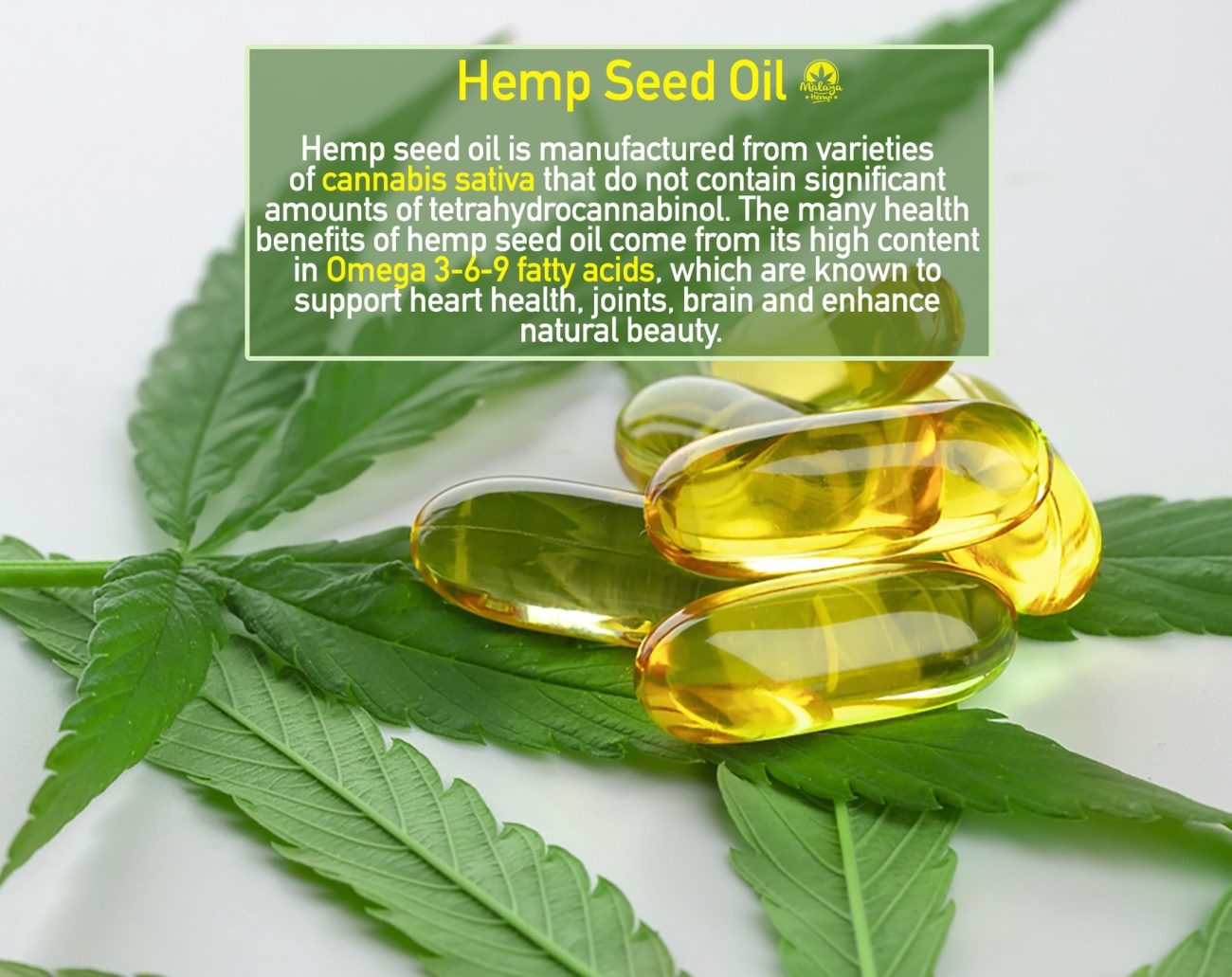
Hemp seed oil, derived from the seeds of the Cannabis sativa plant, is rapidly gaining recognition as a nutritional powerhouse. Often misunderstood and mistakenly associated with the psychoactive components of the cannabis plant, hemp seed oil is a distinct product with a unique and powerful profile of health benefits. It contains negligible to zero tetrahydrocannabinol (THC), the compound responsible for the “high” associated with marijuana. Instead, it is celebrated for its rich concentration of essential fatty acids, vitamins, and minerals.
The list of claimed benefits you provided is extensive, covering everything from metabolic health to chronic disease management. This article will deconstruct these claims, examine them through the lens of modern scientific research, place them within the context of current health trends in Malaysia, and explore viable alternatives, providing a thorough, 2000-word guide for anyone considering this supplement.
The Nutritional Foundation: Why is Hemp Seed Oil So Powerful?
Before exploring the specific benefits, it’s crucial to understand what makes hemp seed oil a superfood. Its therapeutic properties are primarily linked to its unique chemical composition:
- The “Golden Ratio” of Essential Fatty Acids (EFAs): Hemp seed oil boasts a perfectly balanced 3:1 ratio of Omega-6 (linoleic acid) to Omega-3 (alpha-linolenic acid). This ratio is considered optimal for human health, helping to balance inflammatory responses in the body. Chronic inflammation is a known contributor to numerous diseases, including heart disease and arthritis.
- Gamma-Linolenic Acid (GLA): A rare but vital Omega-6 fatty acid, GLA plays a significant role in fighting inflammation. It is a precursor to prostaglandins, hormone-like substances that help regulate inflammation, body temperature, and smooth muscle contraction.
- Stearidonic Acid (SDA): A more bioavailable form of Omega-3, SDA can be more efficiently converted by the body into eicosapentaenoic acid (EPA), a crucial fatty acid for cardiovascular and cognitive health, typically found in fish oil.
- Complete Protein Source: Hemp seeds contain all nine essential amino acids, making them a complete protein source, which is rare for plant-based foods.
- Rich in Vitamins and Minerals: The oil is a good source of Vitamin E (an antioxidant), magnesium, potassium, iron, and zinc, all of which are vital for numerous bodily functions.
A Critical Look at the Health Benefits: Separating Hype from Evidence
Let’s dissect the claims and support them with current scientific understanding.
1. Heart Health: Lowering Cholesterol and Blood Pressure
Claim: Lowers cholesterol and reduces high blood pressure, improving cardiovascular circulation.
The Science: This is one of the most well-supported benefits of hemp seed oil.
- Cholesterol: The polyunsaturated fatty acids (PUFAs), especially linoleic acid, have been shown to help lower LDL (low-density lipoprotein), the “bad” cholesterol, and total cholesterol levels. A 2021 review in the journal Nutrients reaffirmed the role of plant-based Omega-3s in improving lipid profiles.
- Blood Pressure: Hemp seed oil is a rich source of the amino acid arginine, which is a precursor to nitric oxide. Nitric oxide is a vasodilator, meaning it helps relax and widen blood vessels, which in turn lowers blood pressure and improves blood flow.
- Inflammation: The optimal Omega-6 to Omega-3 ratio helps reduce chronic inflammation, a key driver of atherosclerosis (the hardening and narrowing of arteries).
Malaysian Context: Cardiovascular diseases remain the leading cause of death in Malaysia, accounting for a significant portion of hospitalisations. The National Health and Morbidity Survey (NHMS) 2023 highlighted that hypertension (high blood pressure) prevalence among adults is alarmingly high. Incorporating supplements like hemp seed oil into a balanced diet, alongside medical advice, could be a proactive strategy for supporting heart health in a population at high risk.
2. Skin Health: A Natural Treatment for Dermatological Conditions
Claim: Treats dry skin, acne, eczema, dermatitis, and psoriasis, while promoting healthier, more elastic skin.
The Science: The benefits for skin are strongly linked to the EFA and GLA content.
- Eczema (Atopic Dermatitis): A landmark 2005 study published in the Journal of Dermatological Treatment found that dietary hemp seed oil supplementation significantly improved clinical symptoms of atopic dermatitis. Participants reported reduced dryness, itching, and required less dermal medication. The study attributed this to the abundant supply of PUFAs.
- Acne: Acne is often linked to inflammation and an imbalance in the skin’s lipid composition. The anti-inflammatory properties of hemp seed oil, particularly from GLA, can help soothe inflamed skin and reduce redness associated with acne breakouts. Its linoleic acid content also helps regulate sebum (oil) production, preventing pores from clogging.
- Moisture and Skin Barrier: When consumed, the fatty acids in hemp seed oil contribute to the health of the skin barrier (the stratum corneum). A strong barrier prevents moisture loss and protects against environmental irritants, resulting in more hydrated, supple, and resilient skin.
Malaysian Context: Living in a tropical, humid climate like Malaysia can present unique skin challenges, from fungal acne to eczema flare-ups. The prevalence of conditions like atopic dermatitis in urban Malaysian children is notable. Hemp seed oil offers a systemic, internal approach to strengthening the skin’s natural defences against these stressors.
3. Inflammation, Arthritis, and Muscle Recovery
Claim: Reduces inflammation, arthritis symptoms, and improves muscle recovery after exercise.
The Science: The powerful anti-inflammatory effects of GLA are central here.
- Arthritis: Rheumatoid arthritis is an autoimmune disease characterised by chronic joint inflammation. Studies on GLA (found in hemp seed, evening primrose, and borage oils) have shown that it can reduce joint pain, stiffness, and swelling, often allowing patients to decrease their reliance on conventional anti-inflammatory drugs.
- Muscle Recovery: Intense exercise causes micro-tears in muscle fibres, leading to an inflammatory response (this is what causes soreness). The anti-inflammatory fatty acids in hemp seed oil can help modulate this response, potentially speeding up recovery time and reducing post-workout soreness.
4. Hormonal Balance and Menstrual Health
Claim: Improves organ function and reduces symptoms of menstruation or dysmenorrhea (senggugut).
The Science: This benefit is primarily linked to GLA. Prolactin sensitivity is thought to be a major contributor to the symptoms of Premenstrual Syndrome (PMS). GLA is a precursor to prostaglandin E1, which has been shown to reduce the effects of prolactin. A 2011 study on women with PMS found that supplementation with essential fatty acids, including GLA, significantly reduced the severity of their symptoms.
Examining the Bolder Claims: A Call for Nuance and Caution
While some benefits are well-researched, others require a more cautious interpretation. It is crucial to understand that hemp seed oil is a supplement, not a cure.
- Weight Loss and Metabolism: The claim that it “reduces body weight” and “increases metabolism” is an oversimplification. Hemp seed oil is calorically dense. However, the rich profile of healthy fats and protein can increase satiety (the feeling of fullness), which may indirectly support weight management by reducing overall calorie intake. It is not a “fat burner” but can be a valuable component of a healthy weight loss diet.
- Cancer: The claim that it “reduces attacks and helps cancer patients” is highly sensitive and lacks direct clinical evidence in humans. Some preclinical (lab and animal) studies suggest that certain compounds in cannabis, including fatty acids, may have anti-tumour properties. However, hemp seed oil is not a treatment for cancer. Cancer patients should strictly follow the advice of their oncologist and should not replace or alter their treatment with any supplement without explicit medical approval. Its anti-inflammatory properties may help support general well-being during treatment, but that is its only plausible role.
- Eye Health (Cataracts, Glaucoma): There is no strong scientific evidence to suggest that hemp seed oil can treat or prevent cataracts or glaucoma. While Omega-3 fatty acids are vital for overall eye health and may help with dry eye syndrome, they are not a proven treatment for these serious degenerative conditions.
- Asthma, SLE, Cerebral Palsy, and Blood Sugar:
- Asthma & SLE: As these are inflammatory and autoimmune conditions, the anti-inflammatory properties of hemp seed oil could theoretically offer some supportive benefit by helping to modulate the immune response. However, robust clinical trials are lacking, and it should never be used as a primary treatment.
- Cerebral Palsy: This is a complex neurological condition. There is no evidence that hemp seed oil can treat Cerebral Palsy.
- Blood Sugar: While a diet rich in healthy fats can be beneficial for managing blood sugar levels as part of a comprehensive diabetic care plan, hemp seed oil is not a direct treatment for lowering blood glucose.
A Crucial Disclaimer: For any serious medical condition, it is imperative to consult a healthcare professional. Self-treating with supplements can be dangerous and may interfere with prescribed medications.
Practical Guide: Using Hemp Seed Oil Capsules
Dosage: A typical dose is 1-3 capsules (usually 1000mg each) per day, taken with meals. It’s best to start with a lower dose and see how your body responds.
Choosing a Quality Product:
- Cold-Pressed: This method extracts the oil without heat, preserving its delicate fatty acids and nutrients.
- Organic: Ensures the hemp was grown without synthetic pesticides and herbicides.
- Reputable Brand: Look for brands that provide third-party testing results to verify purity and potency.
Legal Status in Malaysia: As of the latest regulations, hemp seed and products derived from it (like oil) that contain no or negligible THC are generally legal for consumption and are classified as food products. However, the legal landscape around cannabis and its derivatives can be complex. Always purchase from reputable, registered sellers to ensure compliance with Malaysian Food and Drug Regulations.
Alternatives to Hemp Seed Oil: Other Sources of Valuable Nutrients
While hemp seed oil has a unique profile, other supplements and foods offer similar benefits. Choosing the right one depends on your specific health goals.
1. For Omega-3 Fatty Acids:
- Flaxseed Oil:
- Pros: Extremely high in Omega-3 (ALA). Excellent for cardiovascular health.
- Cons: Lacks the balanced Omega-6 ratio and contains no GLA or SDA. Has a stronger, more acquired taste.
- Best for: Individuals specifically looking to boost their ALA Omega-3 intake.
- Chia Seed Oil:
- Pros: Similar to flaxseed, very rich in ALA. Has a milder flavour.
- Cons: Also lacks the balanced profile and GLA of hemp seed oil.
- Best for: A tasteless, potent source of plant-based Omega-3.
- Fish Oil (or Algal Oil for vegans):
- Pros: The “gold standard” for Omega-3 as it directly provides EPA and DHA, the most bioactive forms that the body uses for brain and heart health.
- Cons: Not plant-based (except algal oil), risk of heavy metal contamination (choose purified brands), and can cause “fish burps.”
- Best for: Individuals needing potent support for cognitive function, cardiovascular health, and managing high triglycerides.
2. For Gamma-Linolenic Acid (GLA):
- Evening Primrose Oil (EPO):
- Pros: A rich and well-studied source of GLA. Very popular for hormonal balance, PMS symptoms, and skin conditions like eczema.
- Cons: Does not contain Omega-3s.
- Best for: Women seeking relief from PMS or individuals with inflammatory skin conditions.
- Borage Oil:
- Pros: Contains an even higher concentration of GLA than EPO or hemp seed oil.
- Cons: Can potentially contain trace amounts of pyrrolizidine alkaloids, which may affect the liver (choose certified PA-free brands). It also lacks Omega-3s.
- Best for: A high-potency dose of GLA for inflammatory conditions like rheumatoid arthritis.
3. Whole Food Alternatives:
- Hemp Seeds (Hemp Hearts): Eating the whole seed provides the oil’s benefits plus fibre, protein, and minerals. They can be sprinkled on salads, yogurt, or blended into smoothies.
- Walnuts and Flaxseeds: Excellent whole-food sources of ALA Omega-3s and fibre.
- Fatty Fish (Salmon, Mackerel, Sardines): The best dietary sources of direct EPA and DHA.
Conclusion: A Balanced Perspective
Hemp seed oil capsules are a potent and versatile nutritional supplement with a compelling body of evidence supporting their benefits, particularly for cardiovascular health, skin inflammation, and hormonal balance. Its unique, perfectly balanced fatty acid profile, including the rare GLA, sets it apart from many other plant-based oils.
In the Malaysian context, where non-communicable diseases like heart disease, hypertension, and diabetes are on the rise, incorporating such a nutrient-dense supplement can be a valuable part of a proactive and holistic health strategy.
However, it is not a miracle cure. The more extraordinary claims—regarding weight loss, cancer, and serious neurological or eye diseases—are not supported by robust scientific evidence. It is crucial for consumers to approach these claims with healthy scepticism.
Ultimately, hemp seed oil is a powerful tool in your wellness arsenal when used correctly. It should complement a balanced diet, regular exercise, and a healthy lifestyle. Before beginning any new supplement regimen, especially if you have pre-existing health conditions or are taking medication, a consultation with a doctor or a qualified healthcare professional is not just recommended—it is essential.
